
- Understanding the financial thresholds based on Portuguese law.
- The essential role of a Portuguese bank account and NIF.
- Navigating the two-stage process: Consulate and AIMA.
- Securing long-term accommodation in the Azores.
General, independent information, not legal or tax advice. Rules and amounts change: confirm with the official sources at the end of the page.
What is the D7 Visa?
The D7 Visa is a residency permit intended for foreign citizens who wish to live in Portugal—including the Azores—and possess a consistent, reliable income. Unlike work visas, the D7 focuses on those who have already achieved financial independence through pensions, real estate rentals, dividends, or intellectual property.
Living in the Azores on a D7 offers a unique lifestyle, combining European safety with the raw beauty of a volcanic archipelago. It is important to distinguish between the entry visa (obtained in your home country) and the residency permit (finalised in Portugal).
You need to be a millionaire to qualify for the D7 Visa.
The requirement is based on the Portuguese National Minimum Wage, making it accessible to many middle-class retirees and investors.
Financial Requirements and Passive Income
The core of the D7 application is proving you have enough funds to support yourself without needing local employment. The Portuguese government sets a minimum income threshold that is directly linked to the Salário Mínimo Nacional (SMN), which is updated annually.
As a general rule, the main applicant must demonstrate 100% of the SMN, while a spouse or parent requires 50%, and each dependent child requires 30%. However, these percentages are subject to change, and it is highly recommended to confirm the current values with the Portuguese Consulate or a legal professional.
| Income Source | Acceptability | Proof Required |
|---|---|---|
| Pensions | Highly accepted | Official pension statements |
| Rental Income | Accepted | Registered lease agreements |
| Dividends | Accepted | Investment statements/Audit |
| Remote Work | Varies | Consider the Digital Nomad Visa instead |
The Essential Checklist: NIF, Banking, and Housing
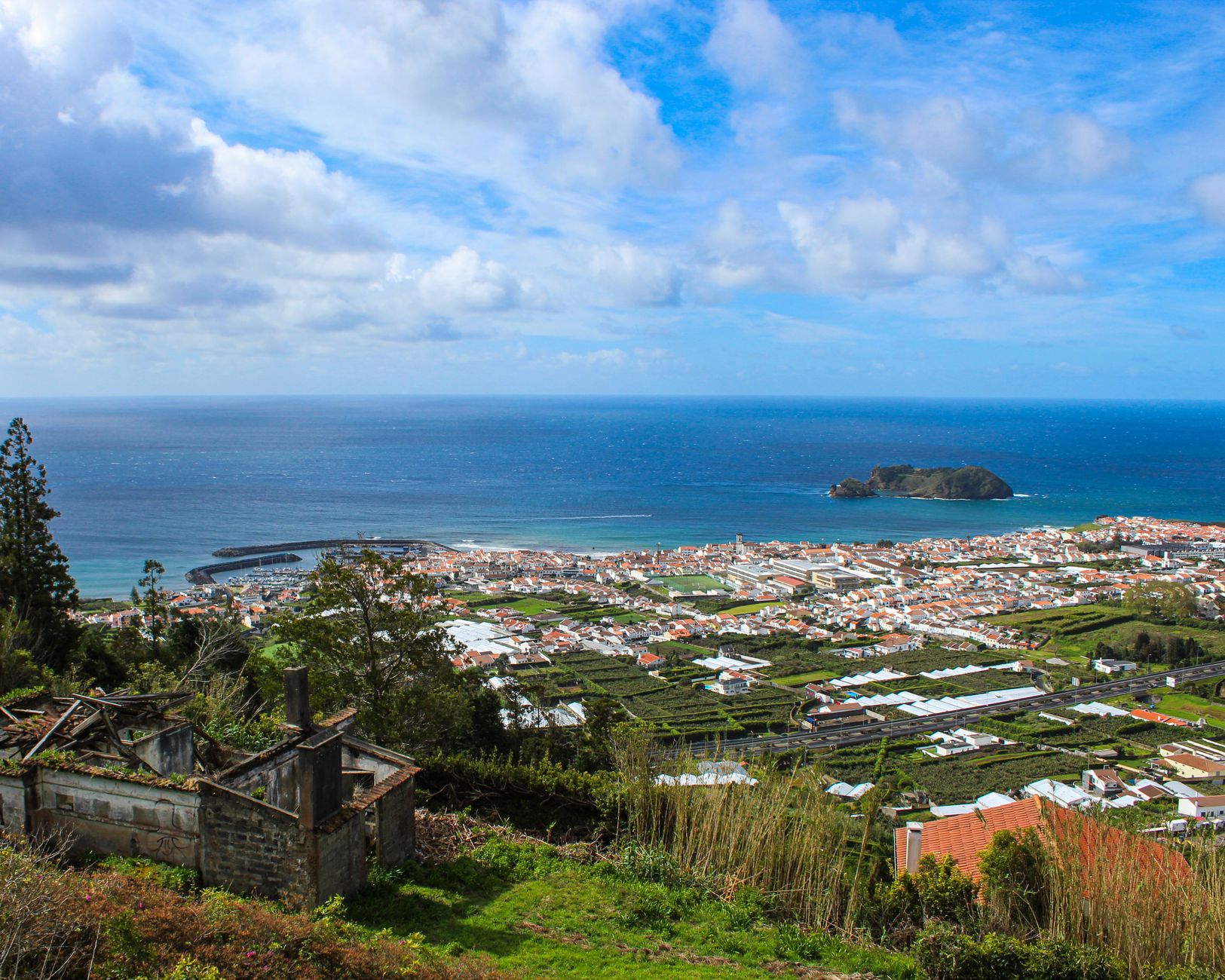
Before you can even apply for the visa, you must establish a legal and financial footprint in Portugal. This starts with the NIF (Número de Identificação Fiscal), your tax identification number, which is necessary for everything from opening a bank account to signing a lease.
A Portuguese bank account is mandatory. You will need to deposit a sum of money (often recommended to be at least 12 months' worth of the required income) into this account to demonstrate your commitment and liquidity to the immigration authorities.
Accommodation is another critical pillar. You must show proof of long-term housing in the Azores, which usually means a registered rental contract for at least 12 months or a deed of purchase for a property.
The Application Journey
The process is divided into two distinct phases. The first happens at the Portuguese Consulate or VFS Global centre in your current country of residence. Here, your documents are vetted, and if approved, you receive a double-entry visa valid for 120 days.
- Gather all documents (NIF, Bank statements, Criminal record, Health insurance).
- Submit the application at the Consulate/VFS in your home country.
- Receive the entry visa and travel to the Azores.
- Attend the scheduled appointment with AIMA in Portugal.
- Provide biometrics and receive your Residency Card.
Once in the Azores, you must attend an appointment with AIMA (Agency for Integration, Migration and Asylum). This is where you exchange your temporary visa for a residency card, which allows you to live, study, and work in the country.
The D7 is more than a visa; it is a bridge to a new life in a community that values safety and nature.
Life in the Azores and Residency Renewal
The initial residency card is typically valid for two years. After this period, you can apply for a renewal, which is usually granted for another three years. It is vital to maintain your passive income and clear tax record throughout this time.
After five years of legal residence, you may be eligible to apply for permanent residency or even Portuguese citizenship. Note that citizenship requirements include a basic knowledge of the Portuguese language and a clean criminal record.
Living in the Azores requires an adjustment to 'island time'. While the infrastructure is modern, the pace is slower. You will have access to the SNS (Serviço Nacional de Saúde) once you are a resident, though private health insurance is required during the initial application phase.
Frequently asked questions
Can I work in Portugal with a D7 visa?
Yes, once you have your residency card, you are generally allowed to work or start a business, but your initial approval depends on your passive income.
How long does the D7 process take?
Processing times vary significantly by consulate and AIMA availability; it often takes several months, so plan well in advance.
Do I need to live in the Azores full-time?
Yes, the D7 requires you to spend a significant portion of the year in Portugal (typically 6 consecutive or 8 non-consecutive months) to maintain residency.
Is the income requirement higher for the Azores?
No, the financial requirements are based on the national minimum wage, which applies across all of Portugal, including the autonomous regions.
What kind of health insurance do I need?
Initially, you need travel/private insurance with international coverage. Once you have your residency card, you can register for the public healthcare system.
Can I bring my family?
Yes, through a process called family reunification, you can include a spouse, dependent children, or dependent parents in your residency application.
The D7 Visa is an excellent pathway for those with stable passive income to enjoy the high quality of life in the Azores. By preparing your finances, securing housing, and following the official steps, you can make these islands your permanent home.