
- The difference between temporary stay and residency permits
- Financial requirements based on Portuguese minimum wage benchmarks
- Practicalities of remote work infrastructure in the Azores
- Essential steps for a successful application process
General, independent information, not legal or tax advice. Rules and amounts change: confirm with the official sources at the end of the page.
Understanding the D8 Visa Framework
The D8 visa, often called the Digital Nomad Visa, was specifically designed for individuals who work remotely for employers or clients located outside of Portugal. This visa addresses the needs of a modern workforce that is no longer tied to a physical office.
In the Azores, this visa has opened doors for professionals who want to swap city skylines for volcanic landscapes. It is important to distinguish this from the D7 visa, which is now primarily focused on passive income like pensions or rentals.
The D8 visa is only for high-earning tech executives.
It is available to any remote worker or freelancer who meets the minimum income threshold, regardless of their specific industry.
The D8 visa bridges the gap between global professional life and the tranquil reality of the Atlantic islands.
Two Paths: Temporary Stay vs. Residency
Applicants can choose between two distinct paths depending on their long-term goals. The Temporary Stay version is ideal for those planning to stay for up to one year without the intention of immediate permanent relocation.
The Residency path is for those who wish to make the Azores their primary home. This involves a two-step process: an initial visa from your home country and a subsequent residency permit issued in Portugal.
| Feature | Temporary Stay | Residency |
|---|---|---|
| Validity | Up to 1 year | Typically 2 years, renewable |
| Path to Citizenship | No | Possible after 5 years of legal residency |
| Flexibility | Easier to exit/return | Requires minimum stay periods |
| Tax Residency | Depends on days spent | Usually mandatory |
Income and Documentation Requirements
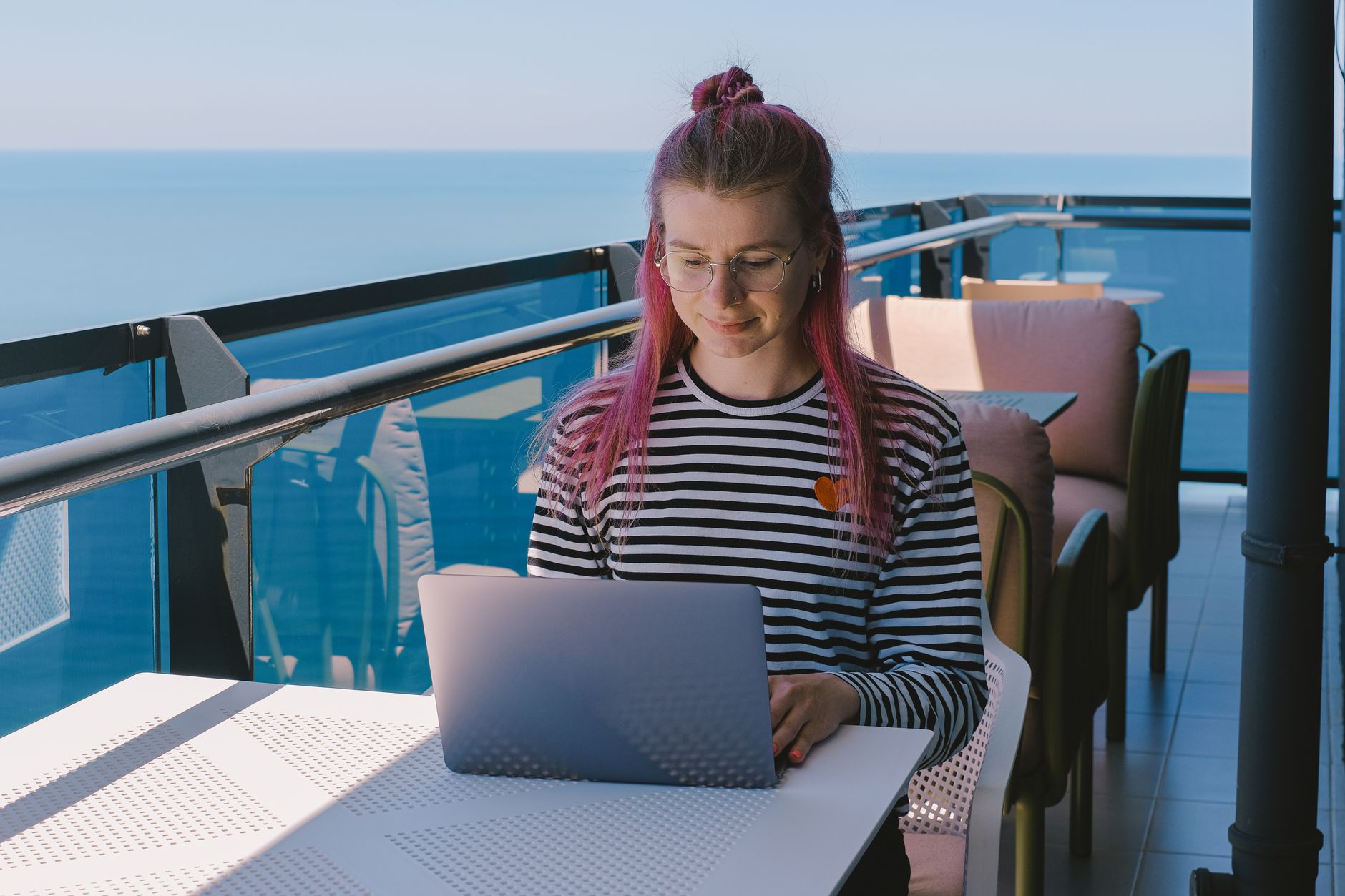
The most critical requirement for the D8 is proof of financial means. The law requires applicants to earn a monthly income that is a multiple of the Portuguese national minimum wage.
Because the minimum wage is updated annually, you must check the current official rate before applying. Generally, the requirement for the D8 is significantly higher than for other visa types to ensure nomads can support themselves in the local economy.
- Proof of average monthly income from the last three months
- Tax residency documents from your current country
- A valid employment contract or freelance service agreements
- Bank statements showing sufficient savings and regular deposits
- Proof of accommodation in the Azores (rental or purchase)
Remote Work Infrastructure in the Azores
Many visitors are surprised to find that high-speed fiber optic internet is widely available across the main islands. Ponta Delgada, Angra do Heroísmo, and Horta offer excellent connectivity for video conferencing and heavy data transfers.
Coworking spaces are growing in popularity, particularly on São Miguel and Terceira. These hubs provide not just desks, but a community of like-minded professionals and local entrepreneurs.
The cost of living in the Azores remains lower than in Lisbon or Porto, particularly regarding rent and local produce. However, imported goods and electricity can be higher due to the archipelago's remote location.
Taxation and Legal Steps
Living in the Azores on a D8 visa usually triggers tax residency. Portugal has specific tax regimes, such as the rules following the former NHR program, which may offer benefits for certain professions.
Tax laws in Portugal are complex and subject to frequent updates. It is highly recommended to consult a tax professional who understands both Portuguese law and the tax treaty with your home country.
- Obtain a Portuguese NIF (Tax Identification Number)
- Open a Portuguese bank account and deposit initial funds
- Secure long-term accommodation (rental contract or deed)
- Gather all professional and financial proofs with certified translations
- Apply at the Portuguese consulate in your current region of residence
Frequently asked questions
Can I bring my family on a D8 visa?
Yes, family reunification is possible. You will need to show additional income or savings for each dependent, calculated as a percentage of the minimum wage.
How fast is the internet in the Azores?
Fiber optic is common in urban areas with speeds often reaching 1Gbps. In very remote rural areas, speeds may be lower, so always verify with a speed test before renting.
Do I need private health insurance?
Yes, for the initial application and until you are registered with the regional health service (SRS), you must have comprehensive private travel or health insurance.
Is the D8 visa the same as the D7?
No. The D8 is for active work income (remote jobs/freelancing), while the D7 is now intended for those with passive income like pensions or rental earnings.
Can I travel within the Schengen Area with this visa?
Yes, the visa and subsequent residency permit allow for visa-free travel within the Schengen Area for up to 90 days in any 180-day period.
Do I need to speak Portuguese to apply?
There is no language requirement for the initial D8 visa. However, basic Portuguese is essential for daily life and required if you eventually seek permanent residency or citizenship.
The D8 visa offers a structured, legal path for remote workers to enjoy the Azores. By preparing your financial documentation carefully and understanding the local infrastructure, you can successfully transition to a life of Atlantic balance.