
- How climate and landscape differ across the three archipelagos
- What daily life, costs and property markets feel like in each
- Why tax and legal systems differ (Portugal vs Spain)
- How to match each island group to your travel or relocation goals
General, independent information, not legal or tax advice. Rules and amounts change: confirm with the official sources at the end of the page.
The short answer
If you want lush green landscapes, quiet and a strong sense of remoteness, the Azores are hard to beat. If you want more sunshine and a livelier, more developed island with good infrastructure, Madeira is the middle ground.
If sun, beaches and easy international connections matter most, the Canary Islands win. They are also the most populated and the most tourist-heavy of the three.
These are not three versions of the same place; they are three different answers to the question of why you want to be in the Atlantic.
Climate and landscape
The Azores are mild and humid, with frequent rain and changeable weather. That is exactly why they are so green, with hedgerows, hydrangeas and volcanic crater lakes.
Madeira is also mild but noticeably sunnier and drier on the south coast, with a wetter, forested north. The island is steep and dramatic, with levada walks and high peaks.
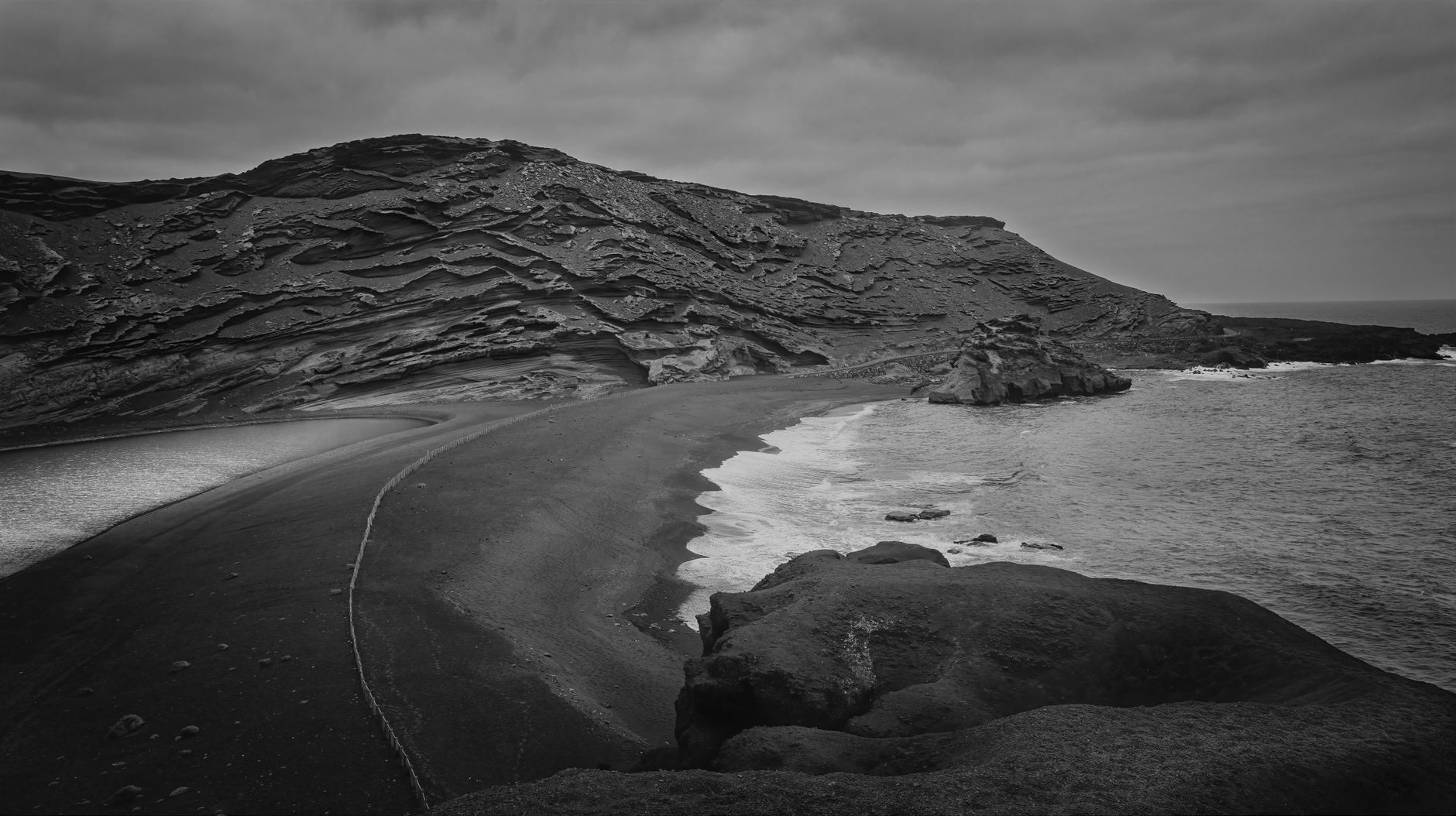
The Canaries are warmer and much drier, with volcanic landscapes and long sandy beaches. Some islands are greener, others are close to desert.
| Azores | Madeira | Canaries | |
|---|---|---|---|
| Overall feel | Green, remote, quiet | Green and sunny mix | Dry, warm, busy |
| Rain | Frequent, year-round | More on the north | Low, especially in the south |
| Beaches | Few, mostly small | Few, some pebbly | Many sandy beaches |
| Landscape | Volcanic craters, pastures | Cliffs, laurel forest, peaks | Volcanoes, dunes, arid coast |
The Azores are always raining and the Canaries are always sunny.
Both have microclimates. The Azores have many dry, bright days, and the Canaries have cooler, cloudier areas, especially in the north of the larger islands.
Visiting: what each one gives you
The Azores reward slow travel: hiking, whale watching, hot springs and quiet roads. Island-hopping takes time and planning, and the weather can change your plans.
Madeira is easier to cover in a week, with levada walks, gardens and coastal towns. It suits travellers who want nature without giving up restaurants and hotels.
The Canaries offer resort tourism, beaches and family-friendly infrastructure. They are the easiest of the three for a classic sun holiday.
Living there: costs, property and daily life
In all three, island life means limited services compared with mainland cities. Healthcare, schools and shopping are best on the larger islands.
The Azores have a small, local property market with fewer listings and slower sales. Madeira is more international, with a established foreign community and more choice.
The Canaries have the largest and most varied market, but also more competition and more regulation around holiday rentals.
- Azores: cheapest overall in many respects, but limited choice and slower logistics
- Madeira: mid-range, more options, strong foreign community
- Canaries: widest range, from rural to resort, with higher prices in prime areas
Tax, residency and language
The Azores and Madeira are Portugal, so Portuguese tax and residency rules apply, with regional incentives in some cases. The Canaries are Spain, with Spanish rules and a special VAT regime.
Do not assume that island status means a simple tax deal. Incentives are specific and change, and they depend on your situation.
Language matters too: Portuguese in the Azores and Madeira, Spanish in the Canaries. English is common in tourist areas but less so in everyday services.
How to choose
- Decide your priority: nature and quiet, balance, or sun and beaches.
- Check flights and ferry connections for the dates you care about.
- Compare property listings and rental rules on the specific island, not the archipelago.
- Confirm tax and residency rules with a professional before committing.
- Visit in the off-season to see the place as it really is.
If you are still undecided, start with a two-week trip to one island in each group. Feeling the weather and the pace will tell you more than any comparison table.
Frequently asked questions
Which is warmest, the Azores, Madeira or the Canaries?
The Canaries are generally the warmest and driest. Madeira is milder and sunnier than the Azores, which are the coolest and wettest overall.
Are the Azores good for a beach holiday?
Not really. Beaches are few and often small. The Azores are better for hiking, nature and whale watching than for lying on sand.
Is Madeira part of Portugal?
Yes. Madeira and the Azores are autonomous regions of Portugal, so Portuguese law and tax rules apply, with some regional differences.
Do I need Spanish to live in the Canaries?
It helps a lot. English works in tourist areas, but daily life, bureaucracy and local services are in Spanish.
Which is cheapest for property?
It varies by island and location, and prices change. The Azores often have lower prices but far less choice. Compare specific listings and confirm all costs locally.
Can I get residency by buying property?
Property alone does not automatically grant residency in Portugal or Spain. Residency routes depend on your circumstances and current law, so confirm with an official source or a qualified adviser.
Choose the Azores for green landscapes and quiet, Madeira for a sunnier balance, and the Canaries for warmth, beaches and easy connections. Visit first, check the practical details, and confirm tax and residency rules with a professional before you commit.