
- Which visa routes are most used by Brazilians and how to choose
- How the Brazil–Portugal treaty works in general terms — and what it does not do
- Why diploma recognition and local vocabulary matter more than you think
- Practical tips for work, healthcare, costs and adapting to the climate
General, independent information, not legal or tax advice. Rules and amounts change: confirm with the official sources at the end of the page.
Why the Azores appeal to Brazilians
Brazilians are one of the largest foreign communities in Portugal, and the Azores attract people looking for a calmer, more affordable alternative to Lisbon or Porto. The shared language removes one big barrier, and the islands have a strong tradition of emigration and return, so local life is used to people coming and going.
That said, the Azores are not a tropical shortcut to Europe. They are remote, humid and windy, with small job markets and limited housing on the most popular islands. Go in with realistic expectations and a plan, not just a feeling.
"Because Brazil and Portugal share a language, moving is basically paperwork-free."
The language helps enormously, but visas, tax numbers, healthcare registration and diploma recognition are separate processes. Expect real bureaucracy and plan time for it.
Visa routes Brazilians commonly use
Brazilian citizens need a visa to live in Portugal, including the Azores. The right route depends on your income, work and family situation. Rules and requirements change, so always confirm on the official Portuguese immigration and foreign affairs websites before applying.
| Route | Who it suits | What to confirm |
|---|---|---|
| D7 | People with stable passive income (pensions, rents, investments) | Minimum income level, usually linked to the national minimum wage — confirm current figure |
| D8 | Remote workers and freelancers with foreign clients | Proof of remote income, tax residency and accommodation |
| D2 | Entrepreneurs and small-business owners | Business plan, investment and viability requirements |
| Work visa | People with a job offer from a Portuguese employer | Employer sponsorship and contract terms |
| Study visa | Students enrolled in Azorean institutions | Enrolment proof and financial means |
The Brazil–Portugal agreement: what it does and doesn't do
Brazil and Portugal have a long-standing treaty on equality of rights, which in general terms gives Brazilians resident in Portugal a broad set of rights similar to Portuguese citizens, and vice versa. This is often called the "Estatuto de Igualdade" and is a real advantage — but it is not automatic and does not replace visa or residence procedures.
In practice, you still need a valid residence permit, and some rights depend on your status and on registering correctly. Treat the treaty as a helpful framework, not a shortcut around immigration rules. Confirm how it applies to your specific situation with an official source or a lawyer.
The shared language opens doors, but the treaty and the paperwork still decide which ones you can walk through.
Language, diplomas and finding work
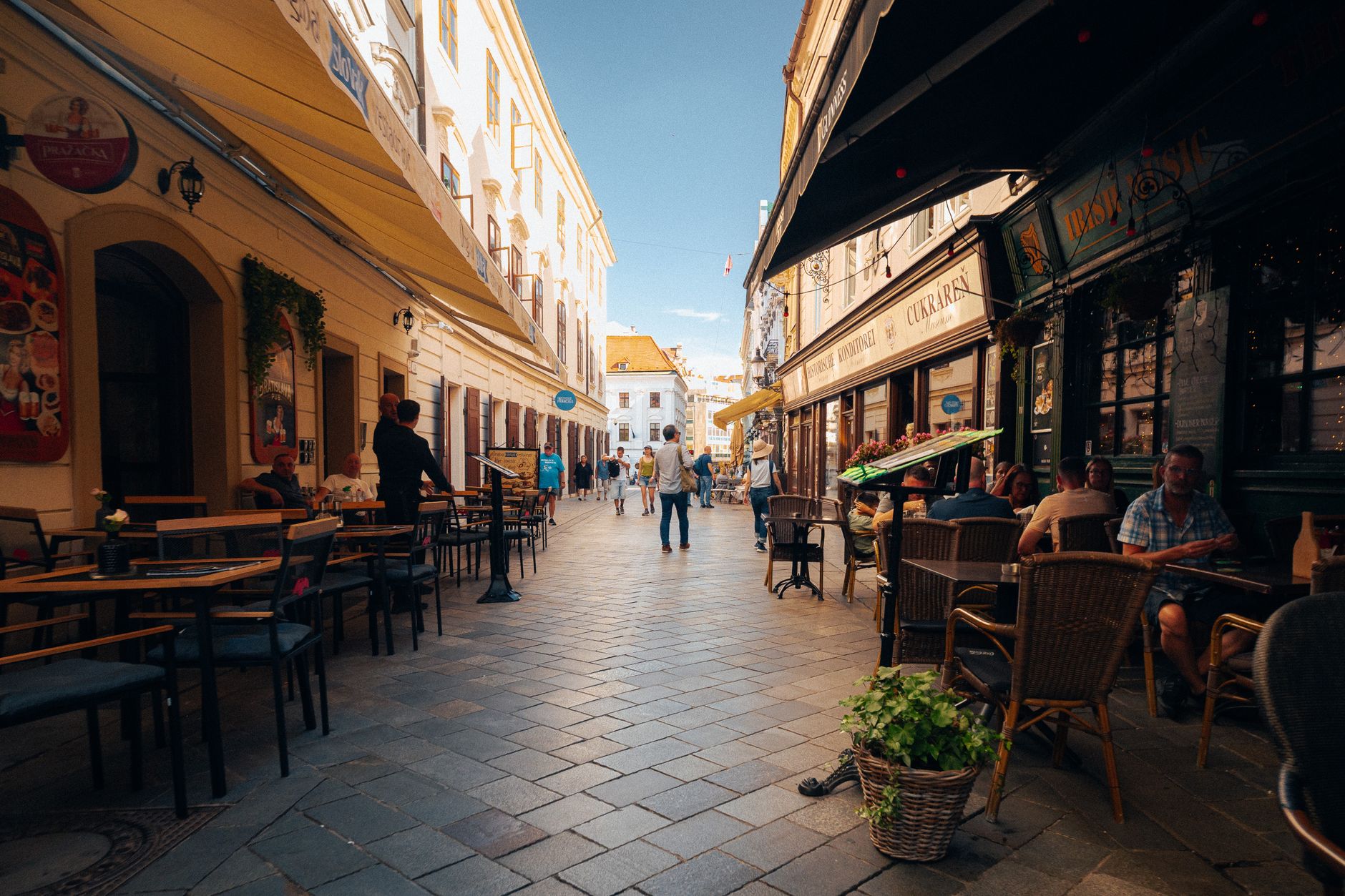
Brazilian Portuguese and European Portuguese are the same language but sound and feel different. Azorean accents can be strong, and local vocabulary and expressions take time. Most Brazilians adapt within months, but expect to ask people to repeat themselves at first.
- Everyday vocabulary differs (for example, "autocarro" instead of "ônibus", "casa de banho" instead of "banheiro").
- Formal European Portuguese grammar and spelling are used in documents and offices.
- Azorean speech can be fast and heavily accented, especially in rural areas.
- English is not widely spoken everywhere, so Portuguese remains essential for work and bureaucracy.
If you plan to work in a regulated profession (health, law, engineering, teaching), you will likely need formal recognition of your Brazilian diploma. The process can be lengthy and may require exams or additional requirements. Start early and budget time and money for it.
Healthcare, costs and daily life
Once you have legal residence, you can register with the local health centre and get a health number, which gives access to the public system. The Azores have hospitals and health centres on the larger islands, but very small islands may require travel for specialist care.
The cost of living is generally lower than in Lisbon or Porto, but housing is the big variable. On popular islands, rental supply is limited and prices have risen. Confirm housing before you commit, and be wary of renting remotely without seeing the property.
| Area | General picture | What to confirm |
|---|---|---|
| Housing | Tight supply on popular islands; higher in tourist areas | Current rents and availability locally |
| Food and utilities | Moderate; imported goods cost more | Local prices, especially on smaller islands |
| Transport | Inter-island flights and ferries add cost | Schedules and fares with operators |
| Healthcare | Public system accessible with residence | Registration steps at your local health centre |
Adapting to island life
- Visit in winter before committing — the humidity, wind and rain are very different from most of Brazil.
- Learn the local rhythm: many shops close for lunch, and bureaucracy moves at its own pace.
- Build a local network through work, church, sports or community groups; it helps with housing and jobs.
- Sort your tax number, health registration and residence paperwork early and keep copies.
- Prepare for island logistics: ferries and flights can be cancelled in bad weather.
The community of Brazilians in the Azores is present but varies by island. Larger islands tend to have more services and social groups; smaller ones are quieter and more close-knit. Ask locally about Brazilian associations and informal networks before you arrive.
"The Azores are warm and sunny all year because they are islands in the Atlantic."
The climate is mild but humid, windy and rainy, especially in winter. Many Brazilians find the damp cold harder than expected.
Frequently asked questions
Do Brazilians need a visa to live in the Azores?
Yes. Brazilian citizens need a residence visa for Portugal, including the Azores. The route depends on your income, work or study plans — confirm current requirements with the Portuguese consulate in Brazil.
Does the Brazil–Portugal treaty mean I can just move?
No. The treaty gives broad equality of rights in general terms, but you still need a valid residence permit and must follow immigration procedures. Confirm how it applies to your case.
Can I use my Brazilian diploma in the Azores?
For regulated professions, you usually need formal recognition of your diploma, which can take time and may require exams. Start the process early and check with the relevant professional body.
Is there a Brazilian consulate in the Azores?
Consular representation is on the mainland (Lisbon, Porto and other cities). Confirm current services and whether any attendance in the Azores is available before you need help.
Is it easy to find work in the Azores?
The job market is small and often depends on local networks, tourism, agriculture and public services. Speaking Portuguese well and building contacts helps a lot.
How hard is the climate to adapt to?
The Azores are mild but humid, windy and rainy, especially in winter. Many Brazilians find the damp cold and grey days harder than expected — visit in winter first if you can.
Moving to the Azores as a Brazilian is very possible, but it rewards preparation over optimism. Choose the right visa, confirm the treaty's practical effect, start diploma recognition early and visit in winter before you commit. The language is a real advantage — use it to build local connections, and let official sources, not forums, guide the paperwork.