
- Understanding the legal requirements for EU and non-EU driving licenses.
- The step-by-step process of buying and registering a vehicle locally.
- Essential maintenance and safety tips for the Azorean climate and terrain.
General, independent information, not legal or tax advice. Rules and amounts change: confirm with the official sources at the end of the page.
Your Driving License: From Tourist to Resident
If you are visiting the Azores as a tourist, your valid foreign license is generally sufficient for renting a car. Most licenses from EU countries, the UK, USA, Canada, and Brazil are widely accepted for short-term stays. However, once you establish legal residency in Portugal, the rules change significantly and deadlines begin to apply.
EU citizens can typically drive on their original license until it expires, but they are often required to register their address with the IMT (Instituto da Mobilidade e dos Transportes). For non-EU citizens, Portugal has bilateral agreements with several countries (including OECD and CPLP members) that simplify the exchange process. In many cases, you can exchange your license without taking a new driving test, provided you apply within the legal timeframe.
| Origin | Requirement | Action Needed |
|---|---|---|
| EU / EEA | Valid until expiry | Register residence with IMT |
| OECD / CPLP | Exchange possible | Apply after obtaining residency |
| Other Countries | Varies | May require a practical exam |
The License Exchange Process
Exchanging a license involves submitting a request through the IMT online portal or at a local branch (often found in the Loja do Cidadão). You will generally need your current license, proof of residency, a tax identification number (NIF), and a medical certificate. The medical certificate is usually issued by a local doctor and transmitted electronically to the IMT.
An International Driving Permit (IDP) is a permanent substitute for a local license.
An IDP is only a translation of your original license for tourist use; it does not replace the legal requirement for residents to hold a Portuguese license.
Processing times for the physical card vary depending on the current backlog. You will be issued a temporary paper document that allows you to drive within Portuguese territory while you wait for the final card to arrive by mail. Note that this temporary document is usually not valid for driving outside of Portugal.
Buying and Registering a Car
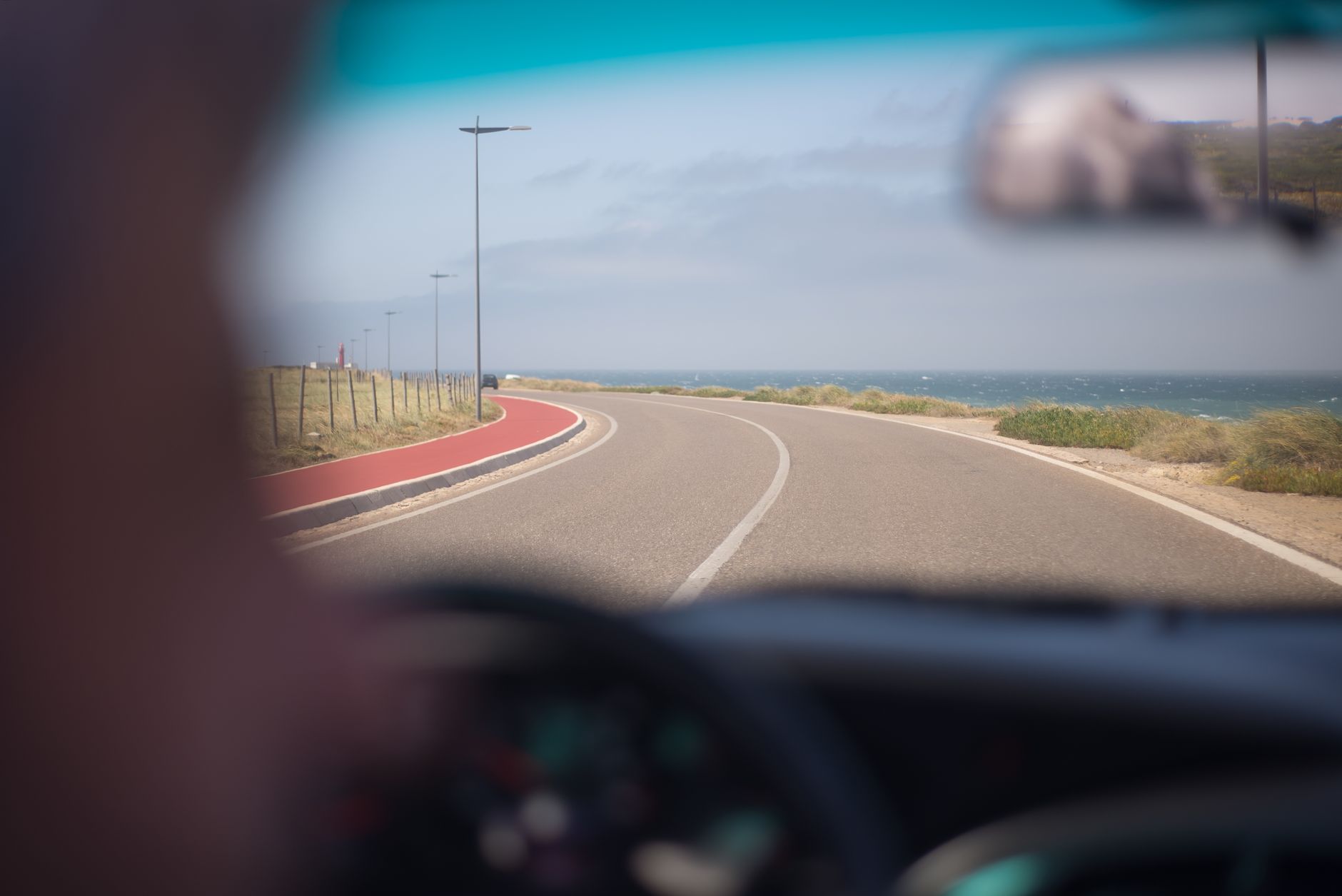
Buying a car in the Azores can be done through official dealerships (stands) or private sellers. While the used car market is active, prices can be higher than on the mainland due to the costs of shipping vehicles to the islands. When buying privately, it is crucial to ensure the vehicle has no outstanding debts or liens.
- Verify the vehicle's Documento Único Automóvel (DUA).
- Sign the Requerimento de Registo Automóvel with the seller.
- Submit the change of ownership at a Conservatory or Loja do Cidadão.
- Pay the registration fees (confirm current rates at the desk).
- Obtain a new insurance policy in your name immediately.
Mandatory Requirements: Insurance and Inspection
Every vehicle on Azorean roads must have at least third-party liability insurance. Insurance costs are not fixed; they are calculated based on your age, driving history in Portugal, and the vehicle's characteristics. Some insurers may recognize your driving history from abroad if you provide a formal 'no-claims' letter from your previous provider.
The Inspeção Periódica Obrigatória (IPO) is the mandatory safety inspection. The frequency of this inspection depends on the age of the vehicle (typically every two years for older cars, then annually). You will receive a certificate and a sticker for the windshield; driving without a valid IPO results in immediate fines and can void your insurance.
Maintaining a vehicle in the Azores requires vigilance against the humidity and the steep demands of the island terrain.
Driving Culture and Island Hazards
Driving in the Azores is generally relaxed, but the geography presents unique challenges. Many secondary roads are narrow, winding, and lined with stone walls or hydrangeas. In rural areas, it is common to encounter herds of cows being moved between pastures. If you see a farmer with cattle, stop your car, turn off the engine if requested, and wait patiently.
Weather conditions can change in minutes. Thick fog (locally known as bruma) can reduce visibility to near zero in the higher altitudes of the islands. Always ensure your fog lights are functional and keep a safe distance from the vehicle in front of you. Additionally, be prepared for steep inclines that require confident use of the handbrake and gears.
- Yield to uphill traffic on narrow mountain roads.
- Watch for slow-moving agricultural machinery.
- Be cautious of wet cobblestones in historic village centers.
- Always carry your DUA, insurance certificate, and ID.
Frequently asked questions
Can I drive in the Azores with a US or Canadian license?
Yes, as a tourist you can drive for a limited period. If you become a resident, you must initiate the exchange process with the IMT within the legal timeframe.
Is car insurance expensive in the Azores?
Prices vary based on your profile and the car. It is often comparable to mainland Portugal, but it is wise to shop around for quotes from different providers.
What happens if I miss my car's inspection (IPO)?
You risk a significant fine if stopped by the police, and your insurance may not cover you in the event of an accident. You should book your appointment before the expiry date.
Are there many automatic cars available to buy?
Manual transmissions are the standard in the Azores. While automatic cars are available, they are less common and often more expensive on the used market.
Is it worth importing my own car to the islands?
Importing involves shipping costs and potential taxes (ISV). Most expats find it more practical to buy a car locally to avoid the complex importation bureaucracy.
Do I need a 4x4 to live in the Azores?
No. Almost all points of interest and residential areas are accessible via paved roads. A standard car is sufficient, though a bit of engine power helps with the hills.
Owning and driving a car is essential for a full life in the Azores. By respecting the deadlines for license exchange and staying vigilant about vehicle maintenance in the humid climate, you can safely enjoy the freedom of the islands.