
- Understand the real advantages: nature, safety, community and pace of life
- Learn the downsides: humidity, isolation, import costs, limited services and job market
- Get practical tips for testing the lifestyle before moving
- Know which facts to confirm with official sources
General, independent information, not legal or tax advice. Rules and amounts change: confirm with the official sources at the end of the page.
The upsides: what makes life in the Azores special
The Azores offer a rare combination: dramatic landscapes, a strong sense of community and a pace of life that feels slower and more human. For many, that's the main draw.
- Nature on your doorstep: craters, trails, hot springs and the ocean
- Low crime rates and a general feeling of safety
- Close-knit communities where neighbours still help each other
- Clean air and a mild, oceanic climate (no extreme heat or cold)
The islands are also part of Portugal and the EU, which brings certain rights and protections—but also means Portuguese bureaucracy and regulations apply.
The downsides: what can make daily life harder
Honest advice: the Azores are not a paradise for everyone. The same isolation that brings peace can feel limiting, and the weather is not always postcard-perfect.
- Humidity and frequent rain: mould can be an issue, and laundry takes longer to dry
- Isolation: even inter-island travel requires planning and can be expensive
- Import costs: many goods are shipped in, so prices for electronics, cars and some groceries are higher
- Limited consumer choice: fewer brands, stores and online delivery options
- Job market: salaries are generally lower and opportunities can be scarce outside tourism, agriculture and public services
- Specialised healthcare: some treatments require travel to the mainland
- Transport: a car is often essential; public transport is limited outside main towns
- Internet: fibre is expanding, but rural areas may have slower or unstable connections
- Dependence on flights: off-island travel is by air, and weather can cause delays or cancellations
Climate and comfort: what to expect
The Azores have a mild, humid oceanic climate. Expect rain in any month, frequent changes in weather and high humidity. Summers are pleasant, not scorching; winters are mild but damp.
It's always sunny and warm in the Azores.
Rain is common year-round, and humidity can make interiors feel cold in winter. Good heating and ventilation are important.
Work and money: jobs, salaries and cost of living
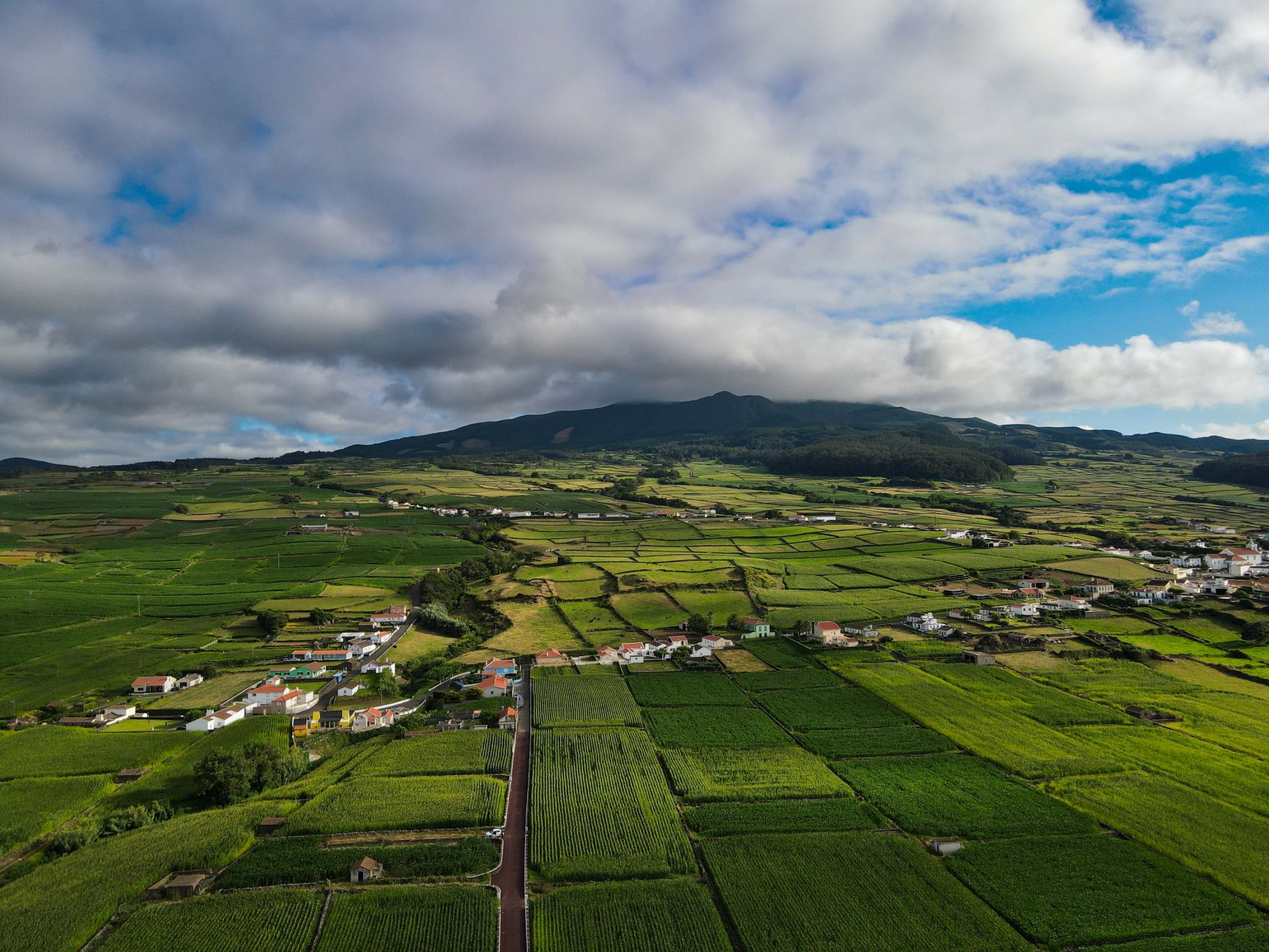
The job market is limited. Many residents work in tourism, agriculture, fishing, public services or run small businesses. Salaries tend to be lower than in mainland Portugal or other EU countries.
The cost of living is not as low as some expect, partly because many goods are imported. Housing costs vary by island and have risen in popular spots.
Healthcare, transport and connectivity
Each island has basic healthcare, but specialised care often requires travel to another island or to the mainland. Health insurance and access to the public system depend on your residency status—confirm with official sources.
A car is usually necessary for daily life outside main towns. Roads are generally good, but distances can be longer than they look on a map.
Internet: fibre coverage is expanding, but rural areas may still rely on slower connections. Check with local providers before renting or buying in a remote spot.
| Aspect | What to expect | Tip |
|---|---|---|
| Healthcare | Basic services on each island; specialised care may require travel | Check insurance and public system access |
| Transport | Car often essential; public transport limited | Budget for a car and fuel |
| Internet | Fibre in many areas; rural coverage varies | Test connection at the address |
How to decide: test before you move
- Visit for at least a few weeks in different seasons, if possible.
- Talk to locals and expats about daily life, costs and healthcare.
- Check internet and mobile coverage at the exact address you're considering.
- Research job opportunities or confirm remote work arrangements.
- Look into residency requirements and healthcare access on official government sites.
The Azores reward those who embrace the pace—but they demand patience and planning.
Frequently asked questions
Is it safe to live in the Azores?
Yes, crime rates are generally low and most people feel safe. As anywhere, take normal precautions.
Do I need to speak Portuguese?
English is spoken in tourist areas, but for daily life and bureaucracy, Portuguese helps a lot. Learning basics is wise.
How long does residency take?
Processing times vary and can take months. Confirm current timelines with the Portuguese immigration authorities.
Can I get citizenship?
Historically, five years of legal residency can lead to citizenship, but rules have been under review. Check the law in force.
Is healthcare good?
Basic care is available, but specialised treatment may require travel. Insurance and access depend on your status—confirm details.
What about internet?
Fibre is available in many areas, but rural connections can be slower. Always test at the specific address.
Living in the Azores can be deeply rewarding if you value nature, safety and community—but it comes with trade-offs like humidity, isolation and limited services. Test the lifestyle first, confirm official requirements, and plan for the practicalities before you make the move.