
- How weather, sea and landscapes shift across the year
- When hydrangeas, whales and festivals tend to peak
- How crowds and prices move by season (in relative terms)
- What to pack and what to do when it rains
General, independent information, not legal or tax advice. Rules and amounts change: confirm with the official sources at the end of the page.
The short version: seasons at a glance
The Azores sit in the Atlantic and enjoy a mild, oceanic climate with no extreme heat or cold. What surprises visitors is the instability: sun, cloud, wind and showers can all appear in the same afternoon, any month.
Rather than chasing a guaranteed sunny week, plan for flexibility. Locals dress in layers and check the forecast each morning; you should too.
| Season | Feel | Good for |
|---|---|---|
| Spring (Mar–May) | Mild, green, showery | Hiking, fewer crowds, whales arriving |
| Summer (Jun–Aug) | Warmest, busiest, driest-ish | Beaches, hydrangeas, festivals, sea days |
| Autumn (Sep–Nov) | Warm sea, quieter, mixed weather | Swimming, hiking, lower prices |
| Winter (Dec–Feb) | Cool, wet, windy, quiet | Budget travel, dramatic scenery, solitude |
Spring: March to May
Spring is when the islands turn intensely green and the trails are at their best. Expect showers and brisk winds, but also long bright spells and far fewer visitors than summer.
Whale watching picks up through spring as migration and feeding patterns shift, though sightings always depend on the day and the operator. Book with a company that respects wildlife guidelines.
- Good months for hiking and hot springs with fewer crowds
- Flight and accommodation prices generally moderate
- Pack rain gear and layers; trails can be muddy
- Some smaller businesses keep shorter hours before the season ramps up
Spring is too rainy to enjoy the Azores.
It rains at times in every season. Spring often brings mixed days with plenty of dry, bright hours — and much thinner crowds than summer.
Summer: June to August
This is peak season. The hydrangeas that line so many roads typically bloom from June into August, and the islands host a busy calendar of festas — religious and village festivals with processions, food and music.
The sea is at its most inviting, though it stays cooler than you might expect for the latitude. Beaches are volcanic and often small; many are dark-sand and some have strong currents, so check local advice.
Prices are at their highest relative to the rest of the year, especially around school holidays and local festival dates. If your dates are fixed, book transport first.
Autumn: September to November
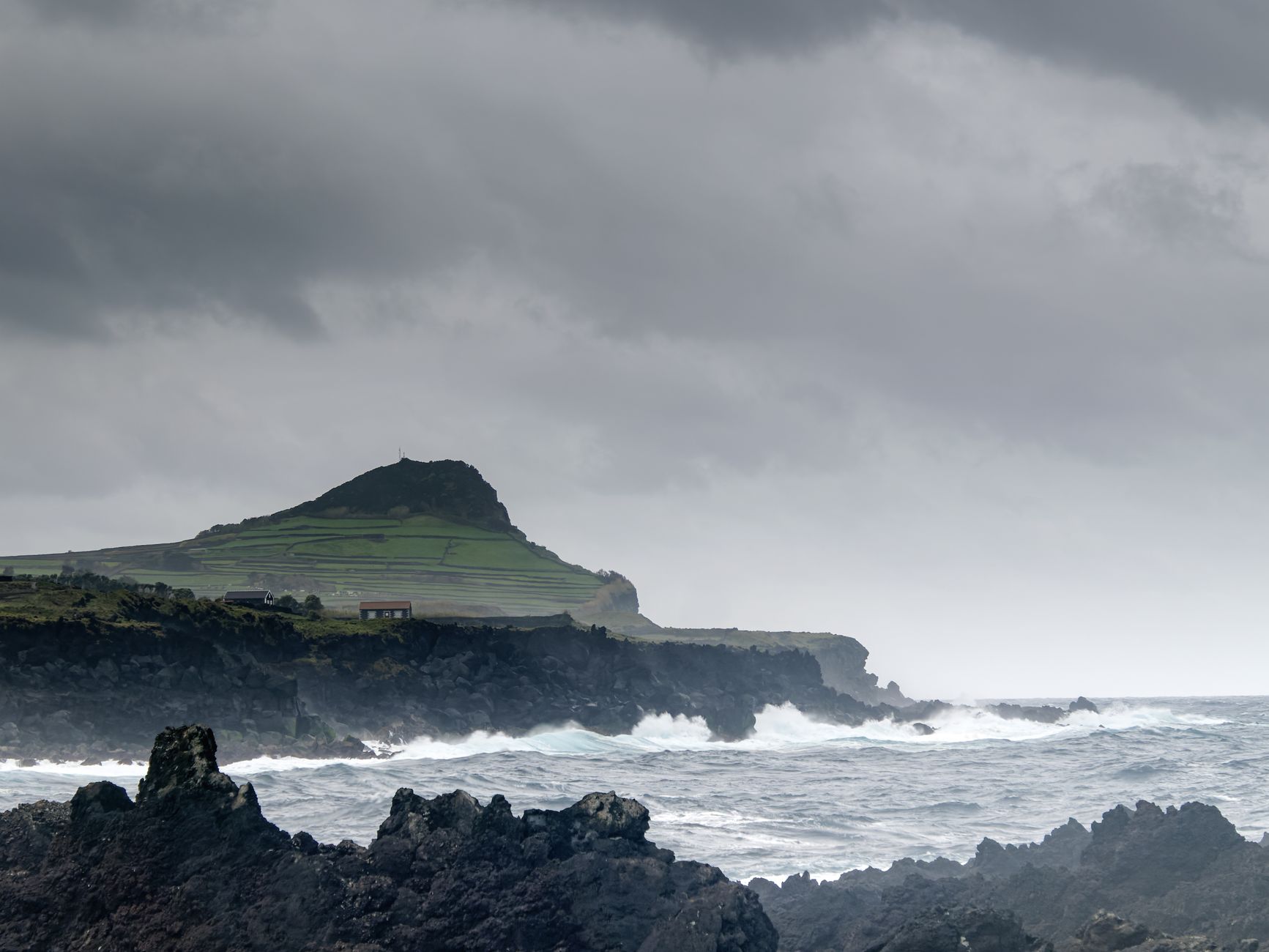
Many regulars consider early autumn the sweet spot: the sea retains summer warmth, the crowds thin out and prices ease. Weather becomes more unsettled as the season progresses.
September often still feels summery; by November you should expect more rain and wind. This is a good window for hiking, hot springs and slower travel.
Whale-watching operators typically run through autumn, but sea conditions can cancel trips. Build a spare day into your plan if a boat trip is a priority.
Winter: December to February
Winter is quiet, green and dramatic. Expect rain, wind and cool — but rarely cold — days. This is the cheapest relative season for many travellers and a favourite for those who value solitude.
Some tours, trails and restaurants run reduced schedules. Check opening hours before you build an itinerary around a specific hike or boat trip.
- Lowest relative prices for flights and stays outside holidays
- Great for hot springs, scenery and cozy local food
- Fewer whale-watching departures; weather-dependent
- Pack waterproofs and warm layers; roads can be wet and winding
Nothing happens in the Azores in winter.
It is quieter, but festivals, local life and indoor attractions continue. You simply need to plan around the weather and confirm what is open.
What to do when it rains
Rain is part of the deal, so build in flexible options. The Azores reward travellers who treat the forecast as a guide rather than a plan.
- Check the forecast each morning and move outdoor plans to the best window
- Have a wet-weather backup: hot springs, museums, local markets, a long lunch
- Keep a spare day for boat trips or hikes that get cancelled
- Drive carefully on wet, winding roads and allow extra time
In the Azores, you don't wait for the weather to change — you plan around it.
Frequently asked questions
When is the cheapest time to visit the Azores?
Broadly late autumn through early spring, outside school holidays and festivals. Prices are relative and vary by island and route, so compare live fares and rates.
When can I see the hydrangeas?
They typically bloom from June into August, though timing varies by island, altitude and year. Don't plan a trip around a single week if flowers are essential.
Is it worth visiting in October or November?
Yes, if you accept mixed weather. Early autumn often still feels summery, crowds are thinner and prices ease. Pack rain gear and keep plans flexible.
Can I visit in February or December?
Yes. Expect cool, wet and windy days, quieter towns and lower relative prices. Confirm opening hours for tours and restaurants before you go.
When is the best time for whale watching?
Sightings are possible across much of the year, with spring to autumn generally popular. Species and success rates vary, and sea conditions can cancel trips — book with a responsible operator and keep a spare day.
What should I pack?
Layers, a waterproof shell, sturdy shoes and swimwear in summer or early autumn. The weather changes fast, so dress for several seasons in one day.
There is no single best month to visit the Azores — only the month that fits your priorities. Choose summer for hydrangeas, festivals and the warmest sea; spring and autumn for hiking, whales and fewer crowds; winter for quiet, dramatic scenery and lower relative prices. Wherever you land, pack for changeable weather, keep plans flexible and confirm current details with official sources before booking.