
- Discover the must-see natural wonders: Sete Cidades, Lagoa do Fogo, and Furnas.
- Learn about the north coast's tea plantations, hot springs, and viewpoints.
- Get practical advice on beaches, local food, and where to stay.
- Follow a suggested 3-day itinerary to optimize your time.
General, independent information, not legal or tax advice. Rules and amounts change: confirm with the official sources at the end of the page.
Ponta Delgada: Your Base
Ponta Delgada, the largest city in the Azores, is where most visitors land and a convenient base. Its historic center has cobblestone streets, 17th-century churches, and a lively waterfront. Accommodation ranges from boutique hotels to guesthouses, and restaurants serve fresh seafood and local beef.
The city is also a good starting point for day trips. Rental cars are the best way to explore; book in advance, especially in peak season. Public buses exist but are infrequent and not ideal for sightseeing.
Sete Cidades and Lagoa do Fogo
The iconic twin lakes of Sete Cidades—one green, one blue—sit inside a volcanic crater. The view from Boca do Inferno viewpoint is spectacular, but often cloudy; check the webcam before going. You can drive or hike around the crater rim.
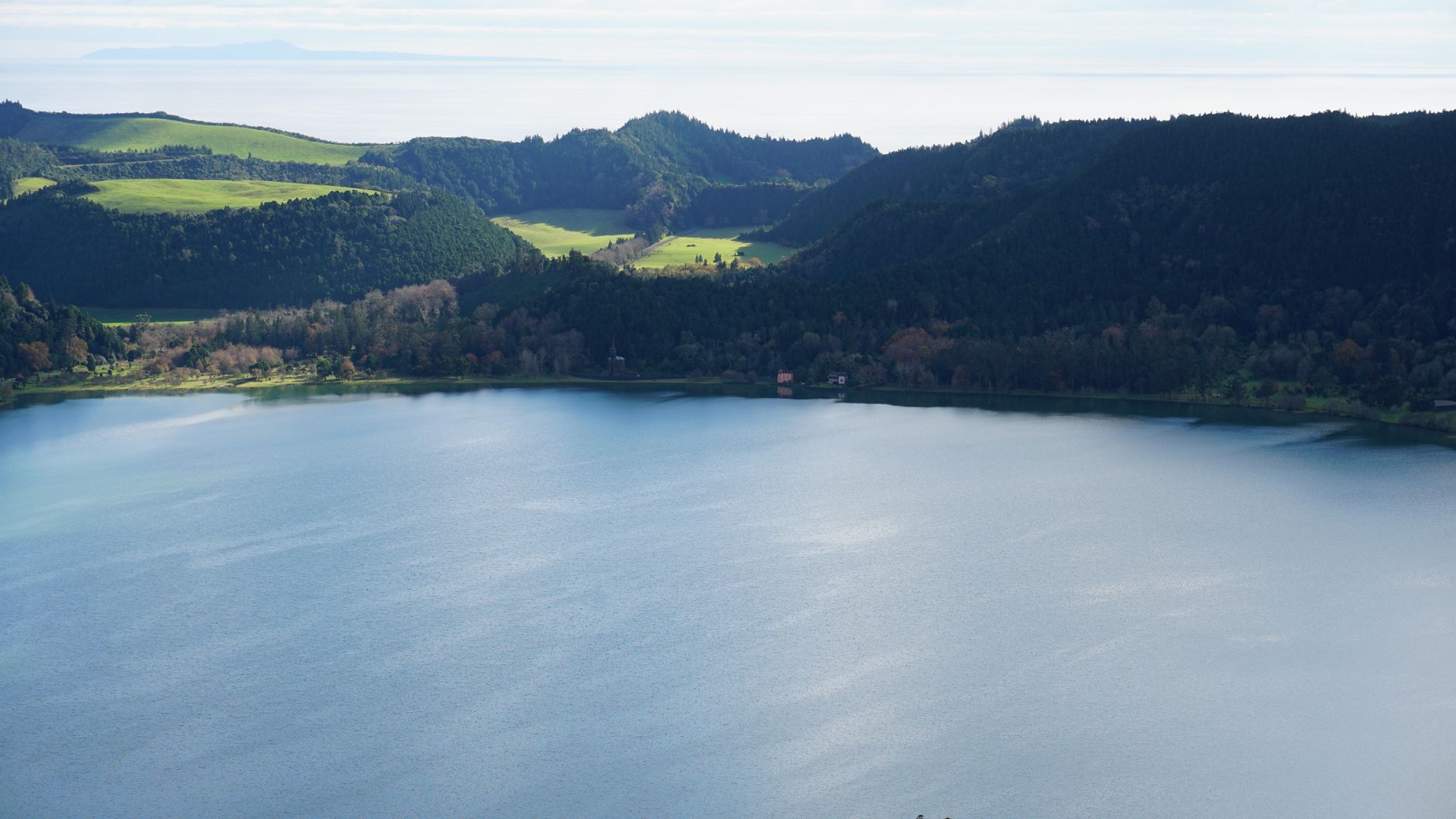
Lagoa do Fogo, a pristine crater lake, is another highlight. A steep trail leads down to the lake, but the main viewpoint is easily accessible by car. The area is protected, so swimming is not allowed.
You can swim in Lagoa do Fogo.
Swimming is prohibited to protect the ecosystem; enjoy the view instead.
Furnas: Hot Springs and Cozido
Furnas is a geothermal wonderland. The Caldeiras (hot springs) bubble with steaming water, and locals cook cozido (a meat and vegetable stew) underground using natural heat. Several restaurants offer this traditional meal.
Don't miss Terra Nostra Garden, a lush botanical garden with a thermal pool, and Poça da Dona Beija, a series of hot spring pools. Both are popular; go early or late to avoid crowds.
North Coast: Tea, Views, and Hot Springs
The north coast offers dramatic scenery and cultural stops. Gorreana is the oldest tea plantation in Europe, still producing tea; tours and tastings are available. Nearby, Caldeira Velha is a hot spring waterfall set in a lush forest (entry fee applies).
Ribeira Grande, a charming town, has a historic center and a surfing beach. The Mulher do Capote viewpoint offers stunning coastal views. It's a great spot for photos.
| Stop | Highlight | Notes |
|---|---|---|
| Gorreana Tea Plantation | Tea tasting and tour | Free entry; check hours |
| Caldeira Velha | Hot spring waterfall | Entry fee; book online in peak season |
| Mulher do Capote | Coastal viewpoint | Free; best at sunset |
Beaches and Outdoor Activities
São Miguel has several beaches, mostly volcanic sand. Praia de Santa Bárbara on the north coast is popular with surfers, while Praia dos Moinhos near Ribeira Grande is good for families. Water temperatures are moderate; a wetsuit helps.
Hiking is excellent: trails range from easy walks to challenging climbs. The trail from Sete Cidades to Lagoa do Canário is a moderate option with rewarding views. Always check weather and trail conditions.
3-Day Itinerary and Where to Stay
With three days, focus on the highlights. Day 1: Ponta Delgada and Sete Cidades; Day 2: Furnas and Lagoa do Fogo; Day 3: North coast (Gorreana, Caldeira Velha, Ribeira Grande). Adjust based on weather.
- Day 1: Explore Ponta Delgada in the morning, then drive to Sete Cidades for the afternoon.
- Day 2: Visit Furnas (hot springs, Terra Nostra, cozido lunch) and stop at Lagoa do Fogo viewpoint on the way back.
- Day 3: Head north to Gorreana tea plantation, Caldeira Velha, and relax at a beach like Santa Bárbara.
For accommodation, Ponta Delgada has the widest choice, from budget hostels to 5-star hotels. Furnas offers a quieter experience with thermal pools. Book early in summer.
Frequently asked questions
Do I need a car to explore São Miguel?
A car is highly recommended because public buses are infrequent and don't reach many attractions. Rental cars can be booked at the airport or in Ponta Delgada.
What's the best time to visit?
May to September offers the warmest and driest weather, but it's also the busiest. Spring and autumn are quieter and still pleasant, though expect some rain.
Can I swim in the hot springs?
Yes, at places like Terra Nostra and Poça da Dona Beija, but not in natural crater lakes like Lagoa do Fogo, where swimming is prohibited.
Is São Miguel expensive?
Costs are moderate compared to mainland Europe. Accommodation and car rentals vary; budget travelers can find affordable guesthouses and eateries.
How many days do I need?
Three days cover the highlights, but five days allow a more relaxed pace and time for hiking or beach days.
São Miguel offers a mix of stunning nature, unique geothermal experiences, and charming towns. With a car and a flexible plan, you can enjoy its highlights even in a short trip. Remember to check weather and book popular spots in advance.