
- Why Santa Maria is different: dry climate and sandy beaches
- Top natural and cultural sights, from vineyards to fossils
- How to get there and move around the island
- A realistic two-day itinerary covering the highlights
General, independent information, not legal or tax advice. Rules and amounts change: confirm with the official sources at the end of the page.
Why Santa Maria stands out
Santa Maria is the oldest island in the Azores and the one with the driest, sunniest climate. That means more beach days and fewer rain showers than you might expect elsewhere in the archipelago.
The island is relatively flat compared to its neighbours, with a landscape of rolling hills, dry stone walls and a coastline that alternates between golden sand and rugged cliffs.
All Azores islands are rainy and green.
Santa Maria is noticeably drier, with a landscape that can feel almost Mediterranean in summer.
Top attractions
Praia Formosa is the island's most famous beach: a long stretch of golden sand with calm waters, ideal for swimming and sunbathing. It's also a good spot for a sunset walk.
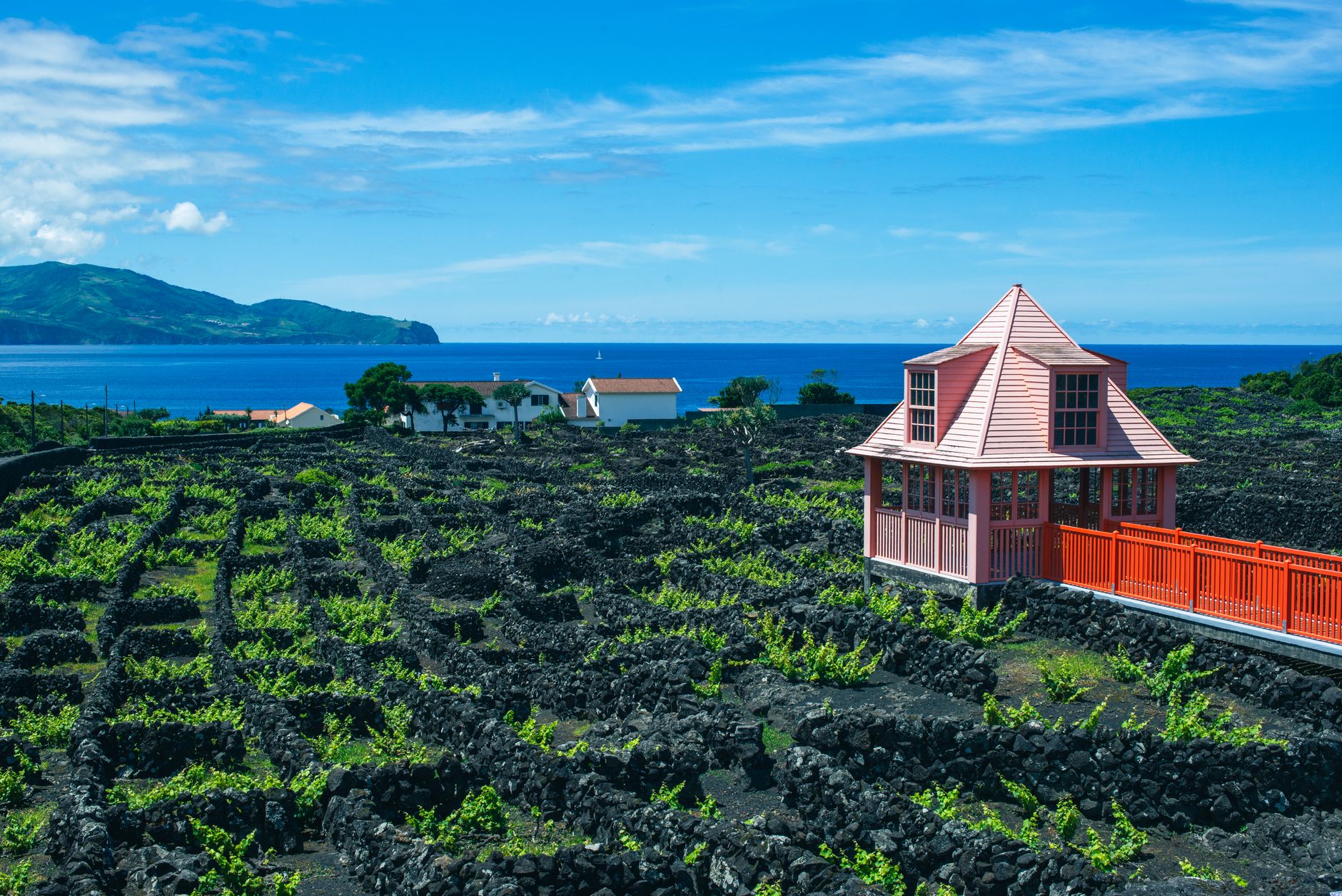
Baía de São Lourenço is a picturesque bay with vineyards planted on terraces. The view from the miradouro is one of the island's postcards.
Barreiro da Faneca is a protected area known as the 'red desert' due to its clay-rich soil. The landscape is striking and otherworldly.
Pico Alto is the highest point on the island, offering panoramic views. On clear days you can see other islands of the central group.
Fossil deposits can be found in some coastal areas, notably around Praia Formosa and Pedreira do Campo. These are protected, so don't remove any fossils.
Festivals and events
The Maré de Agosto festival, held in August in Praia Formosa, is one of the Azores' most popular music events. It attracts visitors from across the archipelago and beyond.
Other local festivities include religious celebrations and gastronomic events throughout the year. Check the municipal website or local posters for current schedules.
How to get there and around
Santa Maria has an airport (Aeroporto de Santa Maria) with direct flights from Lisbon and Ponta Delgada, as well as inter-island connections. Schedules vary by season, so confirm with airlines.
There are also ferry connections between some islands, but these are less frequent and can be seasonal. Check the latest timetables with the ferry operator.
Once on the island, renting a car is the most practical way to explore at your own pace. Taxis and limited public transport exist, but a car gives you flexibility.
Two-day itinerary
- Day 1 morning: Start at Praia Formosa for a swim and a walk on the sand.
- Day 1 afternoon: Head to Baía de São Lourenço to see the terraced vineyards and enjoy the viewpoint.
- Day 1 evening: Dinner in Vila do Porto, the island's main town, and a stroll through its historic streets.
- Day 2 morning: Visit Barreiro da Faneca, the red desert, and then climb Pico Alto for panoramic views.
- Day 2 afternoon: Explore the fossil sites (respect any protection signs) and relax at another beach, such as Praia de São Lourenço or Anjos.
Practical tips and warnings
The island is small and safe, but some natural areas have uneven terrain. Wear comfortable shoes for hiking and respect safety signs.
Summer is the busiest time, but spring and autumn offer pleasant weather with fewer crowds. Winter can be wetter and windier, though still mild compared to mainland Europe.
Santa Maria feels like the Azores with a little more sunshine and a slower pace.
Frequently asked questions
Do I need a car to explore Santa Maria?
It's highly recommended. Public transport is limited, and a car gives you the freedom to visit beaches and viewpoints at your own pace. Book in advance during peak season.
Is Santa Maria good for swimming?
Yes, Praia Formosa and other beaches have calm waters suitable for swimming, especially in summer. Always check local conditions and flags.
When is the Maré de Agosto festival?
It usually takes place in August, but exact dates vary each year. Confirm with official sources before planning your trip.
Are there fossils on the island?
Yes, fossil deposits can be seen in some coastal areas, but they are protected. Do not remove any fossils and follow any signage.
What's the weather like?
Santa Maria is drier and sunnier than most Azorean islands. Summers are warm and pleasant, while winters are mild but can be wetter and windier.
Santa Maria offers a unique blend of Azorean charm and sunny beaches, with dramatic landscapes like the red desert and terraced vineyards. Plan ahead for transport and festival dates, and you'll enjoy a relaxed, rewarding visit.