
- What to see in Vila do Corvo and around the Caldeirão
- How to reach Corvo and what to plan around flights and weather
- Where birdwatchers should look and when migration matters
- A realistic one-day itinerary that fits the island's pace
General, independent information, not legal or tax advice. Rules and amounts change: confirm with the official sources at the end of the page.
Corvo at a glance
Corvo is the northernmost and smallest island of the Azores, a green plateau with a volcanic cone at one end and a single village at the other. It feels less like a resort and more like a working island where everyone knows everyone.
The island is small enough to walk across in a day, but the terrain and weather deserve respect. Plan around the flight schedule and the forecast, not the other way round.
Corvo is just a quick stopover with nothing much to do.
The village, crater and bird cliffs easily fill a day, and many visitors wish they had booked two nights.
Vila do Corvo: the village
Vila do Corvo is the only settlement on the island, a cluster of white-walled, dark-stone houses around a small harbour. It is compact, walkable and pleasantly unhurried.
- Wander the narrow lanes and the waterfront for a sense of daily island life
- Look for the small churches and chapels that anchor village life
- Visit the local museum and interpretation spaces for the island's history and emigration story
- Check the harbour area for boats, birds and views back toward the cliffs
The Caldeirão: crater and lake
The Caldeirão is the island's signature landscape: a large volcanic crater holding a small lake, with steep green walls and islets inside. It is the reason many people come.
You reach the rim on foot along marked trails from the village, gaining height steadily. Wear proper shoes, carry water and a windproof layer — the plateau is exposed and weather can change fast.
The crater is not a viewpoint you tick off; it is a place you sit with for a while.
Birdwatching on Corvo
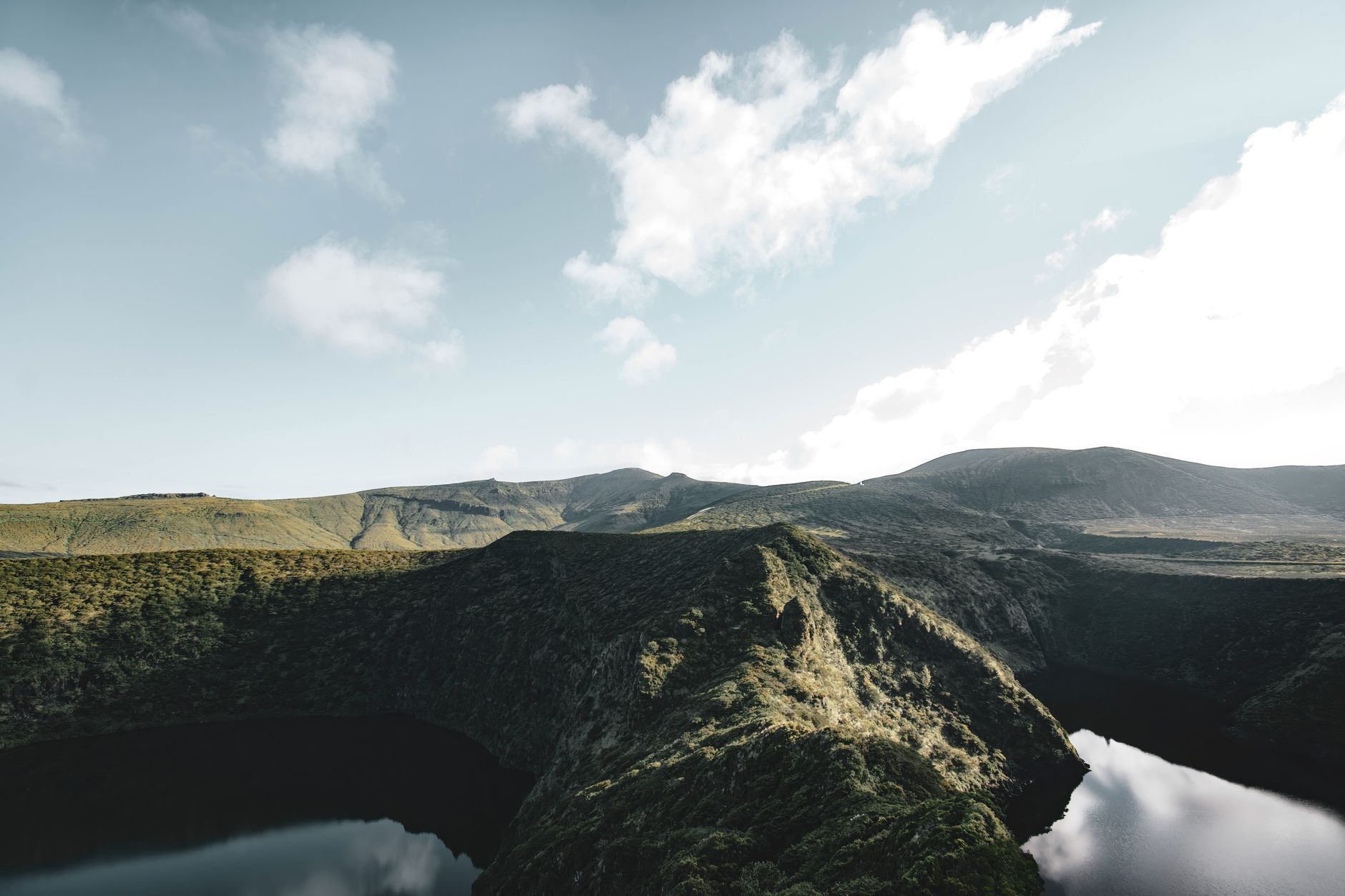
Corvo has a reputation among birders far beyond its size, largely because of its position on migration routes. Seabirds nest on the cliffs, and migrating passerines often pause on the island.
Autumn is the classic season for migration watching, when birders gather in the village and around the fields. Spring also brings movement, and seabird colonies are active through the breeding season.
- Scan the cliffs and offshore waters for seabirds
- Check hedges, gardens and fields for migrating land birds
- Respect private land, fences and nesting areas
- Keep noise low and give roosting or resting birds space
Getting there and getting around
Corvo is reached by a short flight, often connecting through Flores, and there are also seasonal boat links. Schedules are limited and weather-dependent, so build flexibility into your trip.
- Check current flight and ferry schedules with the operators before booking anything else
- Book accommodation early in migration season, when demand peaks
- Keep a buffer day on Flores in case of weather delays
- On the island, plan to walk; ask your host about local taxi or van transfers for luggage or the trailhead
Where to stay and a one-day plan
Accommodation is limited to small guesthouses and local lodgings in and around the village. Book ahead and confirm directly, especially in autumn.
| Time | What to do | Notes |
|---|---|---|
| Morning | Walk the village and harbour | Coffee where open; check the forecast |
| Late morning | Hike toward the Caldeirão | Water, windproof layer, proper shoes |
| Midday | Crater rim and lake views | Picnic supplies brought from Flores if needed |
| Afternoon | Birding along fields and cliffs | Respect fences and nesting areas |
| Evening | Village dinner and slow sunset | Confirm restaurant hours locally |
Frequently asked questions
How do you get to Corvo?
By a short flight, often connecting through Flores, and by seasonal boat links. Schedules are limited and weather-dependent, so confirm with the operators and leave buffer time.
Can you visit Corvo as a day trip?
Yes, a day trip works if flights align, but delays can strand you. Staying a night is safer and far more rewarding.
When is the best time for birdwatching?
Autumn is the classic migration season, with spring also active. Seabirds are present through the breeding season; ask locally where activity has been.
Do you need a car on Corvo?
No. The island is small and best explored on foot, with local taxi or van transfers available for luggage or specific points. Confirm options with your host.
Is the crater hike difficult?
It is a steady climb on marked trails rather than a technical route, but the plateau is exposed. Wear proper shoes, carry water and turn back if weather worsens.
Where should you stay?
In small guesthouses and local lodgings in or near Vila do Corvo. Availability is limited, so book ahead and confirm directly, especially in autumn.
Corvo is small, quiet and genuinely different from the rest of the Azores. Come for the village and the Caldeirão, stay for the birds and the pace — and plan around weather and limited transport rather than fighting it.