
- The must-see natural sights and how to visit them responsibly
- Practical tips for hiking, diving and getting around
- When to go and how long to stay
- Where to base yourself and what to expect from the weather
General, independent information, not legal or tax advice. Rules and amounts change: confirm with the official sources at the end of the page.
Why Flores is worth the journey
Flores is the westernmost island of the Azores, and it feels remote in the best way. Its landscapes are a mix of volcanic craters, lush pastures and a coastline of basalt cliffs. The island is small enough to explore in a few days, but rich enough to keep you busy for longer.
Tourism here is low-key: no big resorts, just small guesthouses and a handful of restaurants. You come for nature, not nightlife. That's exactly why many visitors rank it among their favourite Azorean islands.
Poço da Ribeira do Ferreiro: the postcard waterfall
This is the image that draws many people to Flores: a ring of waterfalls cascading into a green crater lake, often with mist adding to the mood. It's located near Fajãzinha, on the west coast, and is easily reached by a short walk from the road.
The viewpoint is just off the main road, but the best experience is to walk down to the lake. The path can be muddy and steep in places, so wear sturdy shoes. The reward is a closer look at the falls and the chance to swim in the lake (if you don't mind cold water).
You need a guide to visit Poço da Ribeira do Ferreiro.
It's freely accessible and signposted. A guide adds context but isn't required.
The seven lagoons: Lagoa Funda and Lagoa Comprida
The central plateau of Flores is dotted with lakes, and Lagoa Funda and Lagoa Comprida are two of the most accessible. They sit side by side, surrounded by hydrangea-lined roads in summer. The views from the rim are spectacular, especially at sunrise or sunset.
Lagoa Funda is the deepest lake on the island, while Lagoa Comprida is longer and narrower. There are walking trails around both, but they can be muddy. The area is also great for birdwatching.
- Lagoa Funda: deep crater lake with steep sides; viewpoint easily accessible by car.
- Lagoa Comprida: elongated lake; good for a gentle walk along the shore.
- Lagoa Rasa: smaller, shallower lake nearby; often overlooked but peaceful.
- Lagoa Negra: another crater lake with dark water; check road conditions.
Fajãzinha and Rocha dos Bordões
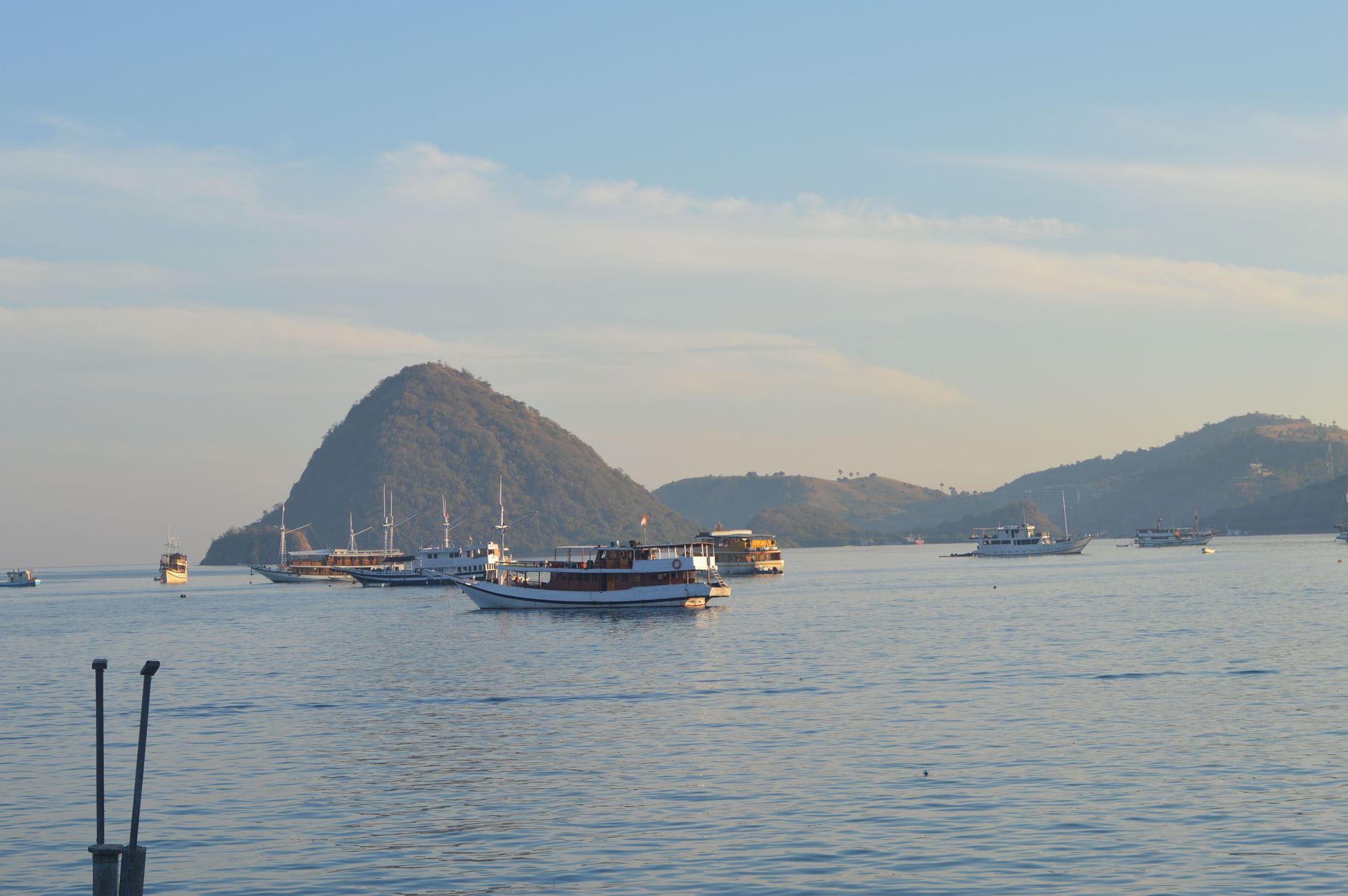
Fajãzinha is a tiny village on the west coast, close to Poço da Ribeira do Ferreiro. It's known for its traditional stone houses and a small chapel, but the main draw is the surrounding scenery. The village makes a good base for exploring the western side of the island.
Just south of Fajãzinha is Rocha dos Bordões, a striking rock formation of vertical basalt columns. It looks like a giant set of organ pipes. There's a viewpoint on the road, and you can also hike to the base for a closer look.
The columns were formed by cooling lava, and the site is a geological highlight. The viewpoint is free and accessible, but the hike to the base is steep and can be slippery.
Ponta Delgada das Flores and diving
Ponta Delgada is the main town on Flores, a small, charming place with a few restaurants and shops. It's also the hub for diving, with a couple of dive operators based here. The island's clear waters and volcanic topography make for interesting dives.
Diving in Flores is mostly about arches, caves and swim-throughs, plus the chance to see groupers, moray eels and maybe even manta rays in season. Water temperatures range from around 17°C in winter to 22°C in summer, so a wetsuit is essential. Visibility is often excellent, but conditions vary.
- Book with a local dive operator in advance, especially in July–August.
- Bring your certification card; some sites are for experienced divers only.
- Check sea conditions; the Atlantic can be unpredictable.
- Consider a boat dive to offshore islets for the best marine life.
Practicalities: getting there, getting around, when to go
Flores has a small airport (Flores Airport, near Santa Cruz das Flores). Most visitors arrive via connecting flights from other Azorean islands, such as Faial or Terceira. Flights usually connect through other Azorean islands; check with the airlines for any direct routes from the mainland, as schedules change.
Once on the island, a rental car is the best way to explore. Roads are generally good, but some are narrow and winding. Alternatively, you can join guided tours or use taxis, but these are limited.
| Aspect | Details | Notes |
|---|---|---|
| Best time for hiking | May to September | Trails can be muddy year-round; bring waterproof shoes. |
| Best time for diving | June to October | Water is warmer; visibility often good. |
| Crowds | July–August busiest | Book accommodation and cars early. |
| Weather | Changeable | Rain is possible any month; pack layers. |
How long should you stay? Three to four days lets you see the main highlights without rushing. If you want to hike extensively or dive, add a couple more days. The island is compact, but the roads are slow.
Flores rewards those who slow down and let the island set the pace.
Frequently asked questions
How do I get to Flores Island?
Most people fly via another Azorean island (e.g., Faial or Terceira). Flights usually connect through other Azorean islands; check with the airlines for any direct routes from the mainland. Check schedules with airlines, as routes vary by season.
Do I need a car on Flores?
Yes, a car is highly recommended. Public transport is very limited, and many natural attractions are not within walking distance of each other.
What is the best time to visit Flores?
May to September offers the warmest and driest weather, but it's also the busiest. Spring and autumn can be quieter and still pleasant, though expect rain at any time.
Can you swim at Poço da Ribeira do Ferreiro?
Swimming is possible but not always advisable; the water is cold and there are no lifeguards. Check local advice and never swim alone.
Is Flores good for diving?
Yes, Flores offers clear water, volcanic arches and caves, and diverse marine life. There are a few dive operators based in Ponta Delgada. Book ahead in summer.
How many days should I spend on Flores?
Three to four days is enough to see the main highlights. Add more time if you plan to hike or dive extensively.
Flores is a small island with big landscapes. Whether you come for the waterfalls, the lagoons or the diving, you'll find a quiet, authentic Azorean experience. Plan ahead for car rental and accommodation, and be ready for changing weather.