
- Understand the official PR trail system and how to find route information
- Sample the best hikes on São Miguel, Pico, São Jorge, and Flores
- Prepare for unpredictable weather and rough terrain
- Hike responsibly to protect the Azores' fragile environment
General, independent information, not legal or tax advice. Rules and amounts change: confirm with the official sources at the end of the page.
The Official PR Network: What You Need to Know
The Azores have a network of officially marked hiking trails known as PR trails (Pequenos Roteiros, or short routes). These are maintained by the regional government and are generally well signposted, but conditions can vary. Always check the official trail status before setting out, as some paths may be closed for maintenance or safety reasons.
Each island has its own selection of PR trails, ranging from easy walks to challenging mountain routes. You can find trail maps and descriptions on the official tourism website or at local tourist offices. Don't rely solely on outdated guidebooks—trail markers can fade or change.
Highlight Trails by Island
Here are some of the most popular PR trails, but remember that difficulty ratings are relative—always assess your own fitness and experience.
| Island | Trail | Character |
|---|---|---|
| São Miguel | Sete Cidades (e.g., PR3 SMI) | Lake views, volcanic craters; can be steep in parts |
| São Miguel | Lagoa do Fogo (e.g., PR2 SMI) | Climb to a stunning crater lake; exposed to weather |
| São Miguel | Salto do Cabrito (e.g., PRC2 SMI) | Waterfall and hydroelectric heritage; some steep sections |
| Pico | Pico Mountain (e.g., PR1 PIC) | Demanding ascent to Portugal's highest peak; guide recommended |
| São Jorge | Fajã dos Cubres (e.g., PR1 SJO) | Coastal walk to a fajã (lava delta); relatively easy |
| Flores | Various trails (e.g., PR1 FLO) | Lush landscapes, waterfalls, and lakes; some muddy paths |
These are just examples—each island has more to offer. Trail names and numbers can change, so confirm with local sources.
Difficulty and Preparation
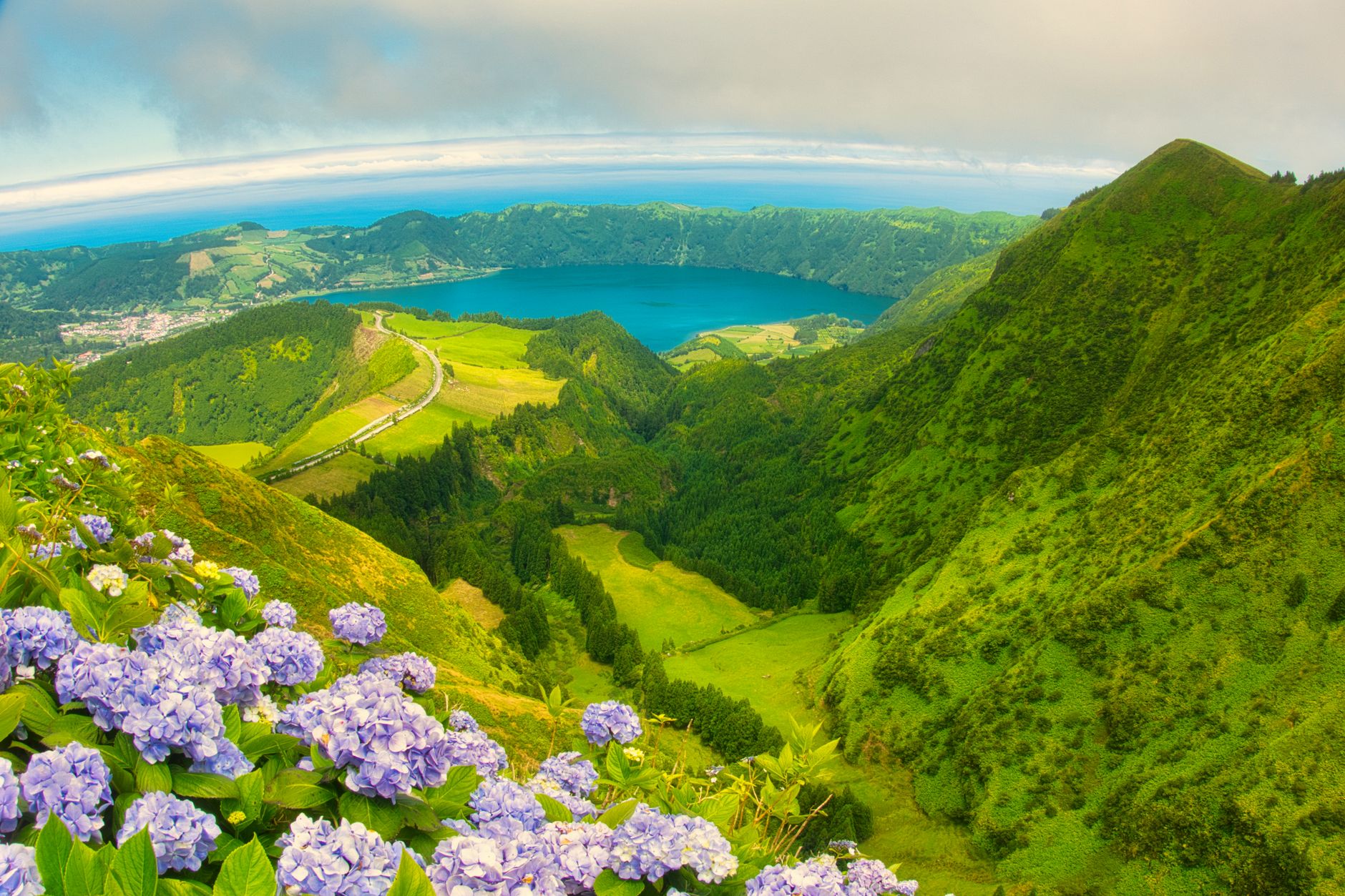
Azorean trails are often rougher than their distance suggests. Steep inclines, slippery rocks, and muddy paths are common. Even short hikes can take longer than expected.
- Wear sturdy hiking shoes with good grip.
- Bring a waterproof jacket—rain is frequent.
- Carry water and snacks; there are few shops on trails.
- Use sun protection; the sun can be strong even on cloudy days.
- Bring a map or downloaded trail info; phone signal can be spotty.
You can hike in flip-flops because the trails are short.
Many trails have uneven, slippery surfaces. Proper footwear prevents injuries.
Safety and Registration
Some trails, particularly the Pico Mountain ascent, require check-in with local authorities or a guide. This is for your safety—don't skip it.
- Check the official trail status and weather forecast.
- Inform someone of your plans if hiking alone.
- Register at the trailhead if required (e.g., Pico).
- Carry a fully charged phone and a power bank.
- Stick to marked paths and avoid shortcuts.
Respect the Environment
The Azores are a fragile ecosystem. Stay on marked trails to avoid damaging vegetation and causing erosion. Many endemic plants are protected.
- Take all trash with you—there may be no bins.
- Do not pick flowers or disturb wildlife.
- Keep noise low to avoid disturbing birds and other animals.
- Use designated toilets where available; otherwise, follow Leave No Trace principles.
The best hikes are the ones where you leave only footprints and take only memories.
Frequently asked questions
Do I need a guide to hike in the Azores?
For most trails, no. But for Pico Mountain and some remote routes, a guide is strongly recommended or required. Check locally.
Are the trails well marked?
Generally yes, but markers can be missing or faded. Carry a map or use a GPS app.
What should I do if the weather turns bad?
Turn back if conditions worsen. Azorean weather can change rapidly, and safety should always come first.
Is wild camping allowed on trails?
Wild camping is generally not allowed. Use designated campsites or ask local authorities.
Can I hike with children?
Some easy trails are suitable for children, but check difficulty and length. Many trails have steep drops or rough terrain.
Hiking in the Azores is a rewarding way to experience the islands' natural beauty, but it requires preparation and respect. Stick to official trails, check conditions, and gear up for changeable weather. With the right approach, you'll enjoy safe and memorable adventures.