
- Understand what fajãs are and which ones to visit
- Plan hikes safely, including the trail to Caldeira de Santo Cristo
- Taste and buy authentic São Jorge cheese
- Get around and build a realistic 2–3 day itinerary
General, independent information, not legal or tax advice. Rules and amounts change: confirm with the official sources at the end of the page.
What makes São Jorge special
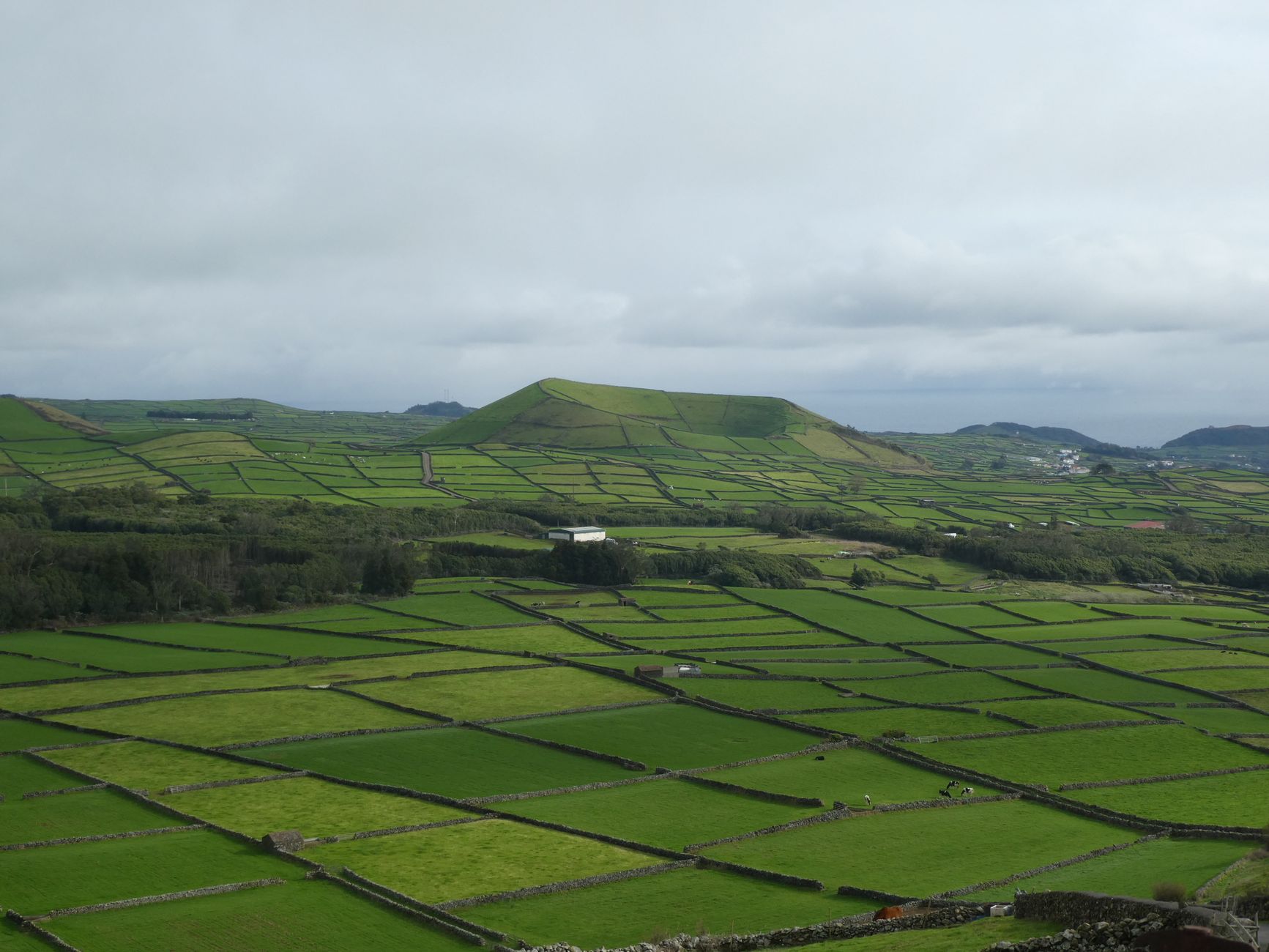
São Jorge is a long, narrow island with a central ridge and steep cliffs that plunge into the Atlantic. Its most distinctive feature is the fajãs: flat, fertile shelves of land at the foot of cliffs, often formed by landslides and washed by the sea.
These fajãs are where you'll find tiny settlements, pastures, and trails that feel remote. The island is also known for its cheese, a protected designation that has been made here for centuries.
The fajãs you shouldn't miss
Two fajãs stand out for most visitors: Fajã dos Cubres and Fajã da Caldeira de Santo Cristo. They are connected by a coastal trail and are often visited together.
- Fajã dos Cubres: accessible by road, with a small lagoon and a chapel; a good starting point.
- Fajã da Caldeira de Santo Cristo: reached on foot (or by a rough 4x4 track), known for its lagoon and surf break.
- Fajã do Ouvidor: on the north coast, with natural pools and a restaurant.
- Fajã Grande: on the south coast, quieter and with a small community.
You can drive all the way to Santo Cristo in a normal car.
The access road is unpaved and often in poor condition; most visitors hike from Cubres or take a guided 4x4 tour.
Hiking trails and outdoor safety
São Jorge has a network of marked trails, but they vary in difficulty. The Cubres–Santo Cristo trail is the most popular, offering dramatic views of the coast and the fajãs.
- Check the official trail status (many are maintained by the regional government) before setting out.
- Start early to avoid heat and to have daylight for the return.
- Carry water, snacks, sun protection, and a phone with offline maps.
- Tell someone your plan if hiking alone, especially on less-traveled routes.
Cheese, culture, and local life
São Jorge cheese is a hard, aged cheese with a protected designation of origin (PDO). It's made from raw cow's milk and has a tangy, slightly spicy flavor that intensifies with age.
You can buy it in supermarkets, local markets, and directly from producers. Look for the PDO label to ensure authenticity.
The island's character is best tasted in its cheese and seen from its trails.
All São Jorge cheese is the same.
Aging time varies (often 3 to 24 months), and flavor changes significantly. Younger cheese is milder; older is sharper and more crumbly.
Surfing and the coast
The surf at Fajã da Caldeira de Santo Cristo is a well-known right-hand point break. It's not a beginner wave and works best with specific swell directions.
The break is remote: you'll need to hike in or arrange a boat/4x4. There are no facilities, so bring everything you need and pack out your trash.
Velas, Calheta, and getting around
Velas is the main town, with the airport, a marina, and a charming historic center. Calheta is smaller but has a notable church and a small port.
The island is connected by a road network, but public transport is limited. Renting a car is the most practical way to explore, though taxis and guided tours are alternatives.
| From | To | Options |
|---|---|---|
| Velas | Fajã dos Cubres | Car (approx. 30–40 min) |
| Fajã dos Cubres | Santo Cristo | Hike (approx. 1.5–2 hours one way) |
| Velas | Calheta | Car (approx. 20–30 min) |
| Other islands | São Jorge | Flight (inter-island) or ferry (seasonal) |
A realistic 2–3 day itinerary
With two days, focus on the fajãs and Velas. With three, add a hike or surf session.
- Day 1: Arrive in Velas, explore the town, and visit the cheese cooperative or a local producer. Overnight in Velas.
- Day 2: Drive to Fajã dos Cubres, hike to Santo Cristo, and return. If you surf, arrange a session with a local guide. Overnight in Calheta or Velas.
- Day 3: Explore Calheta, visit a fajã like Ouvidor, or take a shorter trail. Depart or relax at a natural pool.
Frequently asked questions
How do I get to São Jorge?
By inter-island flight (to Velas airport) or by ferry from Pico or Faial. Schedules vary by season; confirm with the operator.
Do I need a car to explore São Jorge?
It's highly recommended. Public transport is limited, and many trailheads and fajãs are not easily reached without your own vehicle.
Can I swim at the fajãs?
Some fajãs have natural pools or calm water, but others have strong currents. Check locally and never swim alone in remote areas.
Is the surf at Santo Cristo suitable for beginners?
No, it's a challenging wave best for experienced surfers. Beginners should try other spots or take lessons in a safer location.
What should I pack for hiking?
Sturdy shoes, rain jacket, sun protection, water, snacks, and a fully charged phone. Trails can be muddy and exposed.
Where can I buy São Jorge cheese?
Supermarkets, local markets, and directly from producers. Look for the PDO label to ensure it's authentic.
São Jorge is an island of dramatic fajãs, rewarding trails, and honest local food. Plan for slow travel, check conditions, and respect the remote landscapes—you'll leave with a true sense of the Azores.