
- Why the Azores are a global hotspot for cetaceans
- Which species you can see and when
- How to choose a licensed and responsible operator
- The rules for approaching and swimming with dolphins
- Practical tips to avoid seasickness and enjoy the trip
General, independent information, not legal or tax advice. Rules and amounts change: confirm with the official sources at the end of the page.
Why the Azores are a whale-watching hotspot
The Azores sit in the middle of the Atlantic, where deep waters and rich nutrients attract a remarkable variety of cetaceans. Sperm whales are present year-round, making the islands one of the few places in the world where you can see them reliably.
Many other species pass through or live here, including several kinds of dolphins, pilot whales, and seasonal giants like blue whales and humpbacks. The archipelago is a key stopover for migratory species, which is why spring and summer are especially rewarding.
Nowhere else in Europe can you regularly see sperm whales so close to shore.
What you might see and when
Sperm whales are the stars, often seen in family groups. Common and bottlenose dolphins are frequent, along with Risso's dolphins and pilot whales. Seasonal visitors include blue whales (mostly spring), humpbacks (spring and autumn), and sei whales (spring).
| Species | When to see | Likelihood |
|---|---|---|
| Sperm whale | Year-round | High |
| Common dolphin | Year-round | High |
| Bottlenose dolphin | Year-round | Medium |
| Blue whale | Spring | Low to medium |
| Humpback whale | Spring and autumn | Low to medium |
Wildlife is unpredictable: even in peak season, sightings aren't guaranteed. Reputable operators will be honest about this and often offer a second trip if you don't see any cetaceans.
Choosing a licensed operator
Whale watching in the Azores is regulated. Operators must be licensed by the regional government, and boats are inspected for safety and compliance with approach rules. Look for operators that are members of responsible tourism associations and have good reviews.
- Check that the operator is licensed and has a good safety record.
- Ask about their approach policy: they should keep distance and limit time with animals.
- Inquire about group size: smaller groups are less intrusive.
- Confirm their cancellation policy for bad weather.
Rules for approaching and swimming with dolphins
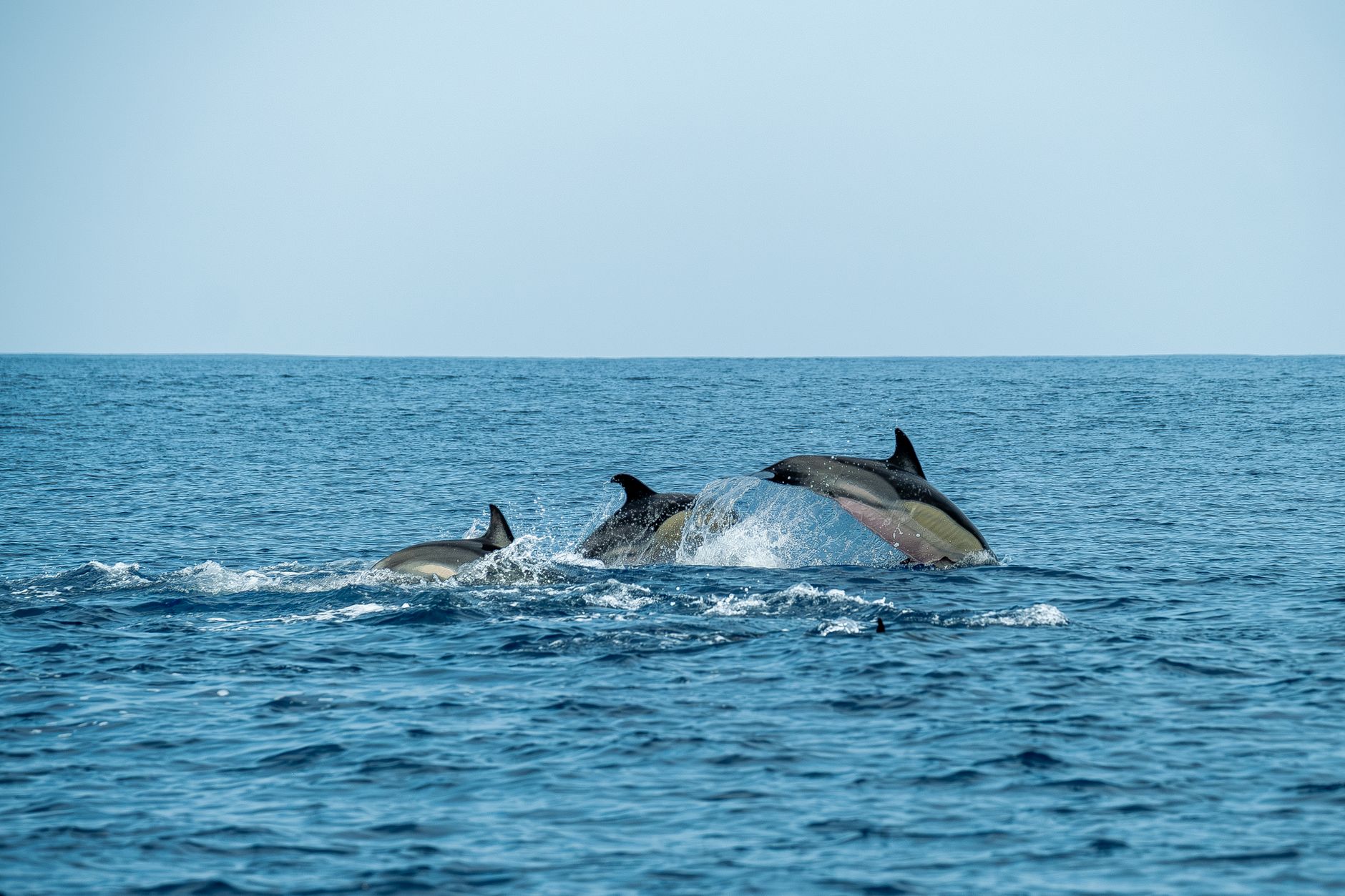
Strict rules govern how boats approach cetaceans. Boats must keep a minimum distance (often around 50 meters for most species, more for mothers with calves), limit time near animals, and never chase or herd them. These rules are enforced, and licensed operators follow them.
Swimming with dolphins is allowed only with licensed operators and under specific conditions. You cannot simply jump in: operators must follow protocols to avoid disturbing the animals, and swimming is not permitted with all species. Always go with a licensed guide and follow their instructions.
Swimming with dolphins is a guaranteed, up-close experience.
It's highly regulated and depends on the animals' behavior. Many trips don't offer swimming, and when they do, it's brief and on the dolphins' terms.
Practical tips: seasickness and what to bring
The Atlantic can be choppy, and even calm days can cause motion sickness. If you're prone, take precautions: choose a morning trip (often calmer), avoid heavy meals, and consider medication (consult your pharmacist).
- Warm, windproof layer and waterproof jacket
- Sunscreen, hat, and sunglasses (reflection off water is strong)
- Camera with zoom lens (but keep it secure)
- Binoculars for distant sightings
- Snacks and water
Best islands for whale watching
São Miguel (Ponta Delgada area) has the most operators and easy access. Pico is legendary for its sperm whales and has a strong whaling heritage; its south coast is ideal. Faial (Horta) is another classic base with good operators.
Other islands like Terceira and São Jorge also offer trips, but São Miguel, Pico, and Faial have the most infrastructure and reliable sightings. The best island for you depends on your itinerary and the season.
Frequently asked questions
What is the best time of year for whale watching in the Azores?
Sperm whales are seen year-round, but spring and summer offer the greatest variety, including migratory species. July and August are popular but busy.
Can I swim with dolphins?
Only with licensed operators and under strict rules. It's not guaranteed and depends on the species and conditions.
How long do trips last?
Most trips last 3 to 4 hours, including briefing and travel time. Some operators offer longer expeditions.
Is whale watching suitable for children?
Yes, but consider seasickness and safety. Many operators welcome children, but check age restrictions and sea conditions.
What should I do if I get seasick?
Take medication beforehand (consult a pharmacist), choose a calm day, and sit in the middle of the boat. Operators often have remedies on board.
Are sightings guaranteed?
No. Wildlife is unpredictable. Many operators offer a second trip if you don't see cetaceans, but policies vary.
Whale and dolphin watching in the Azores is a highlight of any visit, but it's best enjoyed with preparation and respect for the animals. Choose a licensed operator, follow the rules, and keep your expectations flexible—nature is in charge.