
- Why Horta's marina is one of the most unusual sights in the Azores
- What the Capelinhos eruption left behind and how to visit it
- How to plan the Caldeira, beaches and the Pico ferry in two days
- Practical cautions: weather, ocean and mountain conditions
General, independent information, not legal or tax advice. Rules and amounts change: confirm with the official sources at the end of the page.
Horta and the marina: a harbour that writes on itself
Horta is the island's capital and its working heart. For generations it has been a stopping point for yachts crossing the Atlantic, and the marina walls are covered with paintings left by crews — a tradition rather than an official exhibit.
Nearby, Peter Café Sport is the best-known meeting point for sailors and visitors. It is a genuine institution with a small scrimshaw and maritime museum upstairs, not a theme bar.
The old town around the marina is compact and walkable: the church of Nossa Senhora das Angústias, the small streets behind the port and the view across to Pico on a clear day.
Capelinhos: the volcano that added land to the island
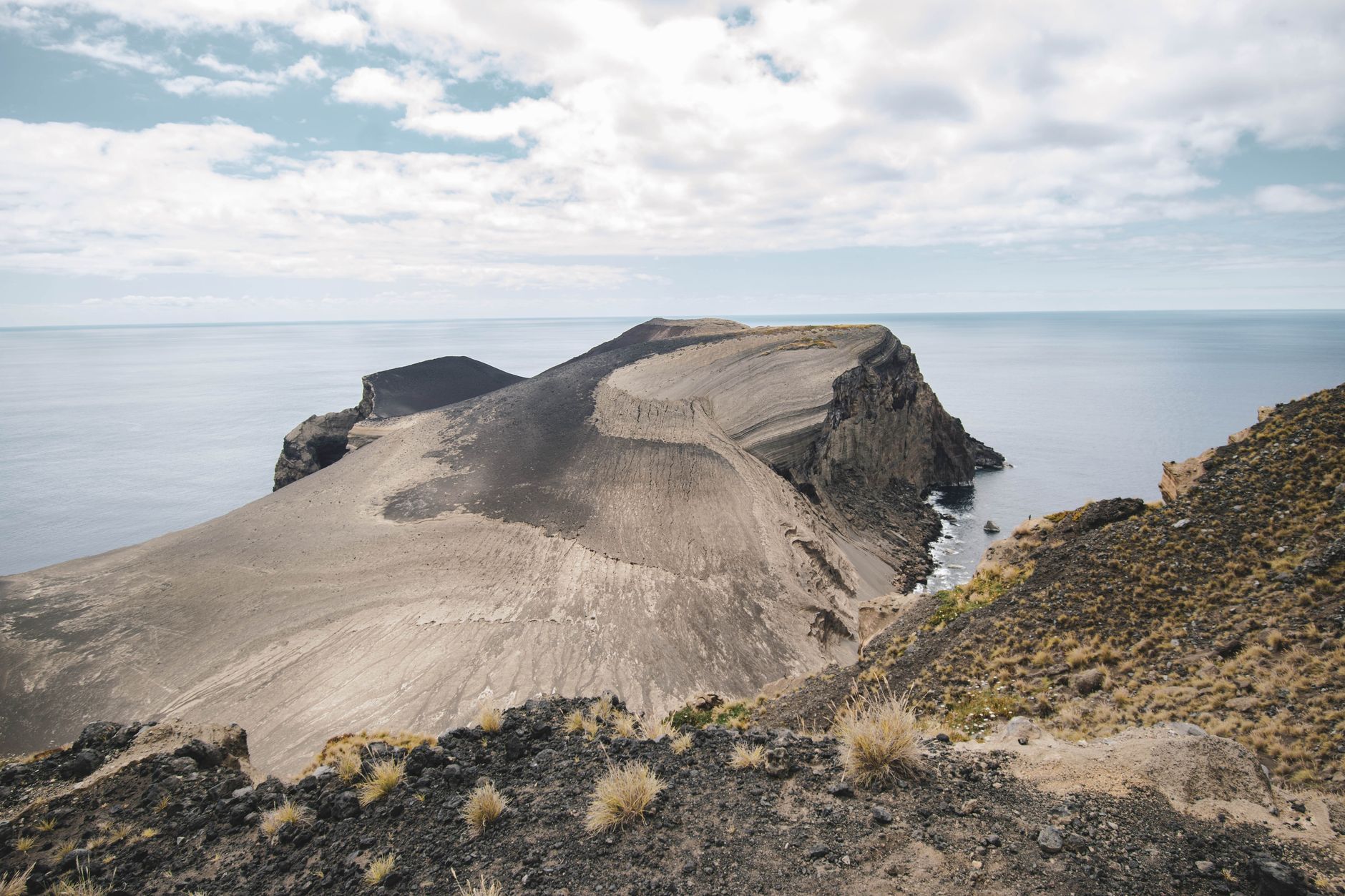
The Vulcão dos Capelinhos erupted from 1957 to 1958 just offshore, throwing ash and creating new land attached to the western tip of Faial. It is one of the best-documented volcanic episodes in the Atlantic and reshaped the island's landscape and its people's history.
The site is now a protected landscape with an interpretation centre built into the slope. Exhibits explain the eruption, the evacuation and the emigration wave it triggered, especially to the United States.
The volcano is still active and could erupt again any day.
Capelinhos has been quiet since 1958. Faial does have volcanic and seismic activity, as the Azores generally do, but the site is visited as a landscape and museum, not as an active hazard zone.
The Caldeira and the green interior
The Caldeira is a large volcanic crater in the centre of the island, ringed by forest and often wrapped in cloud. On a clear day the rim trail gives wide views over the crater floor and out to the sea.
- Check the weather and cloud cover before driving up — the crater is often hidden.
- Drive to the car park at the rim and walk the short viewpoint paths first.
- If conditions are good and you are properly equipped, consider part of the rim trail; ask locally about its state.
- Take water and a warm layer: it is cooler and wetter up there than in Horta.
Beaches, coast and the ferry to Pico
Faial is not a beach-holiday island in the classic sense, but there are swimming spots. Praia do Almoxarifado (often called Praia do Almoxarife) is a dark-sand beach close to Horta with facilities and a long view back to the town.
Other options include natural pools and harbour swimming areas around the coast. Water is cool by southern European standards, and the Atlantic can be rough.
The ferry to Pico is short and crosses to Madalena, making a day trip feasible. Timetables vary by season and operator, so check the current schedule and buy tickets in advance in summer.
| Place | Why go | Practical note |
|---|---|---|
| Horta marina | Sailors' paintings, harbour atmosphere | Free to walk; respect boats and crews |
| Peter Café Sport | Historic sailor haunt, small museum | Busy at peak times |
| Capelinhos | Eruption landscape and interpretation centre | Exposed, windy; check opening hours |
| Caldeira | Crater views and forest | Often cloudy; go early |
| Praia do Almoxarife | Dark-sand beach near Horta | Cool water; check conditions |
A realistic two-day route
- Day 1 morning: walk Horta's marina and old town, then stop at Peter Café Sport.
- Day 1 afternoon: drive west to Capelinhos and its interpretation centre; return via coastal viewpoints.
- Day 1 evening: dinner in Horta — book ahead in high season.
- Day 2 morning: drive up to the Caldeira if the sky is clear; otherwise head north for viewpoints.
- Day 2 afternoon: ferry to Pico for a few hours in Madalena, or relax at Praia do Almoxarife.
- Day 2 evening: pack, refuel the car and confirm your onward flight or ferry.
On Faial, the island's story is written in three places: the harbour wall, the new land at Capelinhos and the cloud inside the crater.
Practicalities before you go
Rental cars are the simplest way to reach Capelinhos and the Caldeira; book early in summer. Buses exist but are limited, especially at weekends.
Flights and ferries are the two ways in. Schedules, fares and baggage rules change, so confirm directly with the airline or ferry operator rather than relying on older guides.
This guide is general information, not legal, financial or safety advice for your specific situation. For anything consequential, confirm with official sources and qualified professionals.
Frequently asked questions
How many days do I need on Faial?
Two full days cover Horta, Capelinhos and the Caldeira at a comfortable pace. Add a day if you want hiking, diving or a relaxed Pico day trip.
Can I visit Pico as a day trip from Faial?
Yes, the ferry crossing to Madalena is short. Check the current timetable and buy tickets ahead in summer, as sailings and capacity vary.
Do I need a car on Faial?
It is strongly recommended for Capelinhos and the Caldeira. Public transport is limited, and taxis are not practical for a full day of sightseeing.
Is the Caldeira always visible?
No. Cloud often sits over the crater, especially in the morning and in winter. Go when the forecast is clear and be ready to change plans.
Is Capelinhos suitable for children?
The interpretation centre works well for families, but the outdoor ground is uneven and exposed. Supervise children near cliffs and paths.
When is the best time to visit?
Late spring to early autumn is generally drier and busier; winter is quieter but wetter and windier. Weather varies a lot, so pack layers year-round.
Faial suits travellers who like harbours, volcanoes and green landscapes more than resort beaches. Base yourself in Horta, use a car for the west and the centre, and keep your plan flexible for Azores weather.