
- How the islands differ in services, flights, healthcare and schools
- Which islands suit families, remote workers, sailors and retirees
- The trade-offs between convenience and cost
- Why Ribeira Grande can be a smarter base than central Ponta Delgada
General, independent information, not legal or tax advice. Rules and amounts change: confirm with the official sources at the end of the page.
São Miguel: the default choice for most newcomers
São Miguel is the largest island and home to Ponta Delgada, the Azores' main airport and administrative hub. It has the widest range of healthcare, schools, shops and services, which makes it the easiest landing point for most people.
The trade-off is cost and traffic: housing in central Ponta Delgada is the most expensive in the archipelago, and competition for good rentals is real. But you also get more choice and more backup when things go wrong.
- Best for: families, anyone needing frequent flights, people who want full services
- Healthcare: main hospital and widest range of specialists in the Azores
- Schools: broadest choice, including international options (confirm availability)
- Flights: direct connections to mainland Portugal, Europe and North America (seasonal varies)
- Cost: highest in the Azores, especially Ponta Delgada
Terceira: culture, history and a quieter pace
Terceira is the second most populated island, with Angra do Heroísmo — a UNESCO World Heritage city — as its cultural heart. It has a large US military presence at Lajes Field, which shapes the local economy and international community.
You'll find good healthcare, schools and services, but fewer direct flights than São Miguel. The island feels less rushed and more Portuguese, which appeals to many long-term residents.
Terceira is just a military base island.
The base is part of the picture, but Angra and the rest of Terceira have a rich cultural life, festivals and a strong local identity.
- Best for: culture lovers, those seeking a slower pace, families with base connections
- Healthcare: good regional hospital and services
- Schools: solid public system; international options limited (confirm)
- Flights: fewer international routes than São Miguel; connections via Ponta Delgada or Lisbon
- Cost: generally lower than São Miguel
Faial and Pico: the central group for sailors and nature lovers
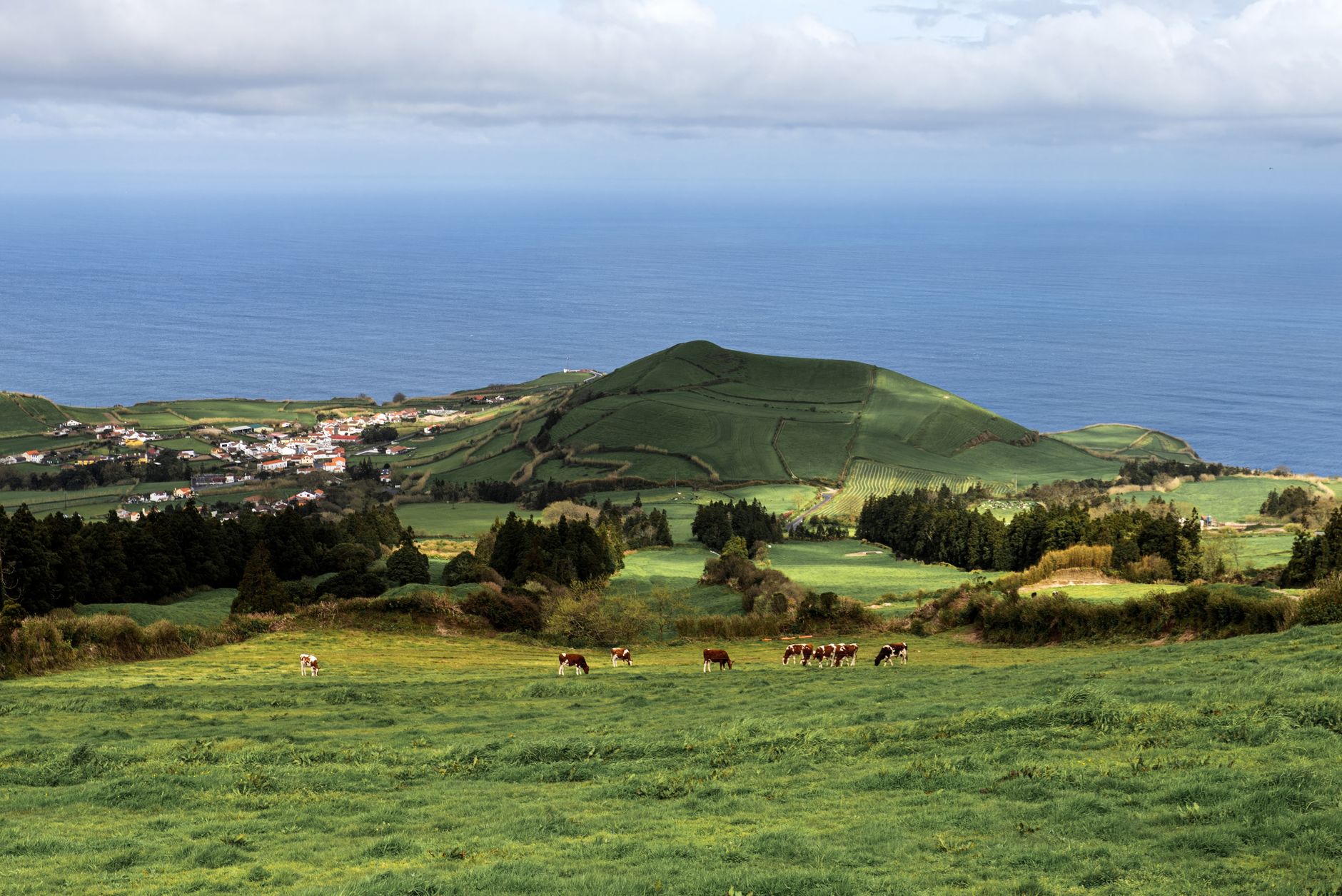
Faial (Horta) and Pico are the heart of the central group. Horta is a legendary stop for transatlantic sailors, giving Faial a cosmopolitan, maritime vibe. Pico, home to Portugal's highest mountain, is more rural and agricultural.
Both islands have basic services, health centres and schools, but you'll rely on inter-island flights or ferries for specialist care and bigger shopping. The expat community is smaller but tight-knit.
| Island | Vibe | Services | Flights | Cost |
|---|---|---|---|---|
| Faial | Maritime, international | Good basic | Inter-island + some direct | Moderate |
| Pico | Rural, agricultural | Basic | Inter-island | Lower |
| São Jorge | Quiet, dramatic | Basic | Inter-island | Lower |
| Graciosa | Very quiet | Limited | Inter-island | Low |
| Santa Maria | Sunny, small | Limited | Some direct (seasonal) | Moderate |
| Flores | Remote, lush | Limited | Inter-island | Low |
| Corvo | Tiny, isolated | Minimal | Inter-island | Low |
The smaller islands: São Jorge, Graciosa, Santa Maria, Flores, Corvo
These islands offer peace, lower costs and stunning nature, but come with real trade-offs: fewer jobs, limited healthcare, fewer flights and a stronger sense of isolation. They suit people who are self-reliant, retired or able to work remotely.
Santa Maria is the sunniest and has some seasonal direct flights, while Flores and Corvo are the most remote. São Jorge and Graciosa are quiet and agricultural, with tight communities.
- Visit in winter, not just summer, to test the climate and isolation.
- Check flight and ferry schedules for your island — they affect everything.
- Confirm healthcare access and emergency plans.
- Talk to locals and expats about jobs, housing and daily life.
- Review residency and tax implications with a professional.
The smaller islands reward those who value community over convenience.
How to choose: match the island to your priorities
Start with your non-negotiables: frequent flights, specialist healthcare, schools, job market or a specific community. Then weigh cost and climate. The Azores are mild and humid year-round, but the smaller islands can feel more remote in winter.
- Need frequent flights and full services? São Miguel.
- Want culture and a quieter city? Terceira.
- Drawn to sailing and a maritime community? Faial.
- Seeking rural simplicity and lower costs? Pico, São Jorge or Graciosa.
- Want sun and small-island life? Santa Maria.
- Craving true remoteness? Flores or Corvo.
Frequently asked questions
Which island is best for families with children?
São Miguel and Terceira offer the most schools and healthcare. Smaller islands can work but require more planning for specialist needs.
Is São Miguel much more expensive than the other islands?
Housing in Ponta Delgada is the most expensive in the Azores, but other costs vary. Smaller islands can be cheaper but may have fewer options.
Can I live on a small island without a car?
It's difficult. Public transport is limited, and a car is often essential for daily life, especially outside main towns.
How reliable are flights between islands?
Inter-island flights and ferries exist but can be affected by weather. Schedules vary by season; always confirm with the operator.
What about healthcare on remote islands?
Health centres handle basic care, but serious cases may require evacuation to São Miguel or Lisbon. Check insurance and emergency procedures.
Is there an expat community on all islands?
São Miguel and Terceira have larger international communities. Smaller islands have fewer expats but often close-knit groups.
Choose São Miguel for convenience and services, Terceira for culture and a slower pace, Faial or Pico for maritime life, and the smaller islands for remoteness and lower costs. Visit in winter, confirm healthcare and flights, and get professional advice on residency and tax before you commit.