
- Understand the volcanic cooking method behind cozido das Furnas
- Know which local specialities to try on each island
- Learn about Azorean tea, wine, and liqueur traditions
- Get practical tips for restaurants and food shopping
General, independent information, not legal or tax advice. Rules and amounts change: confirm with the official sources at the end of the page.
The Volcanic Kitchen: Cozido das Furnas
On São Miguel, cozido das Furnas is a meat and vegetable stew cooked by the earth itself. Pots are buried in volcanic soil near the Furnas caldeiras for several hours, absorbing a distinct smoky, mineral flavour.
The dish typically includes pork, beef, chicken, cabbage, potatoes, and taro. It's a hearty meal, often served for lunch, and best shared.
Seafood and Grilled Favourites
Azoreans love their seafood. Lapas (limpets) are a common starter, grilled with butter, garlic, and lemon. They're chewy and briny, best enjoyed fresh.
Polvo guisado (braised octopus) is another staple, often cooked with wine, garlic, and paprika until tender. It's a comforting dish found on many menus.
- Grilled fish like tuna, wreckfish, or parrotfish, simply prepared with olive oil and salt.
- Caldeirada, a rich fish stew with potatoes, peppers, and tomatoes.
- Bacalhau (salt cod) dishes, a Portuguese classic with many variations.
All Azorean seafood is expensive.
While some premium fish can be pricey, everyday options like grilled sardines or mackerel are affordable, especially in local tascas.
Meat Dishes and Cheeses
On Terceira, alcatra is a must-try: beef slow-cooked in a clay pot with red wine, garlic, and spices. It's usually served with boiled potatoes and rice.
São Jorge cheese is the Azores' most famous, a DOP-protected aged cheese with a nutty, slightly spicy flavour. Look for different ages, from young and mild to aged and crumbly.
| Cheese | Character | Where to find |
|---|---|---|
| São Jorge | Aged, firm, nutty | All islands, especially São Jorge |
| Terceira | Semi-soft, buttery | Terceira and local markets |
| Graciosa | Mild, creamy | Graciosa and some shops |
| Flores | Semi-hard, slightly tangy | Flores and select stores |
Tea, Pineapple, and Wine
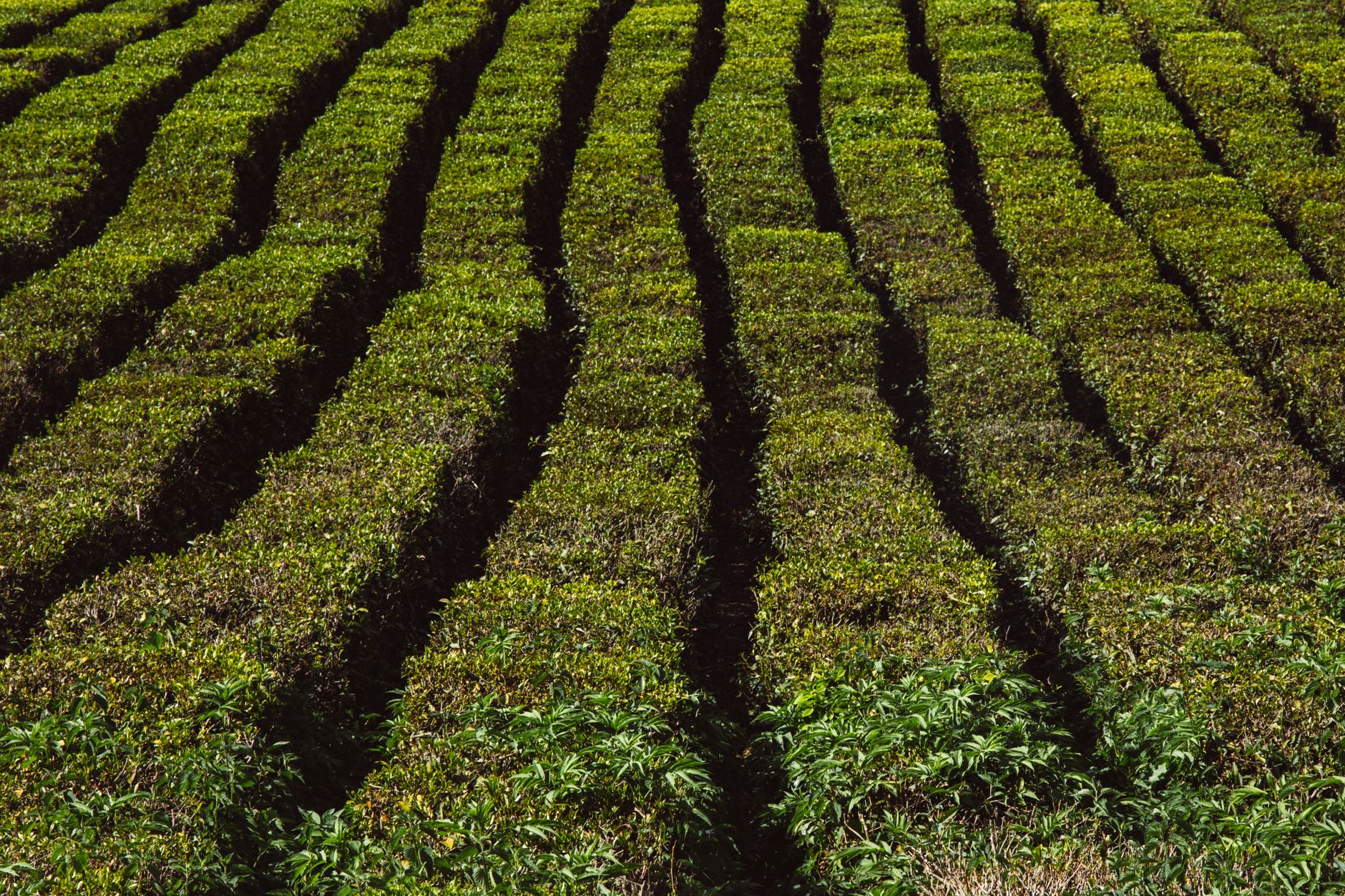
The Azores are home to Europe's only tea plantations: Gorreana and Porto Formoso on São Miguel. Both offer free tours and tastings, where you can learn about the production process.
Azorean pineapple is grown in greenhouses on São Miguel, known for its small size and intense sweetness. It's often used in desserts or enjoyed fresh.
On Pico, wines have been produced for centuries in unique volcanic soil. The vineyards are a UNESCO World Heritage site. Look for local varieties like Arinto dos Açores and Verdelho.
Liqueurs and Sweet Treats
Mulher do Capote is a popular liqueur from Ribeira Grande, made from sugar cane spirit and herbs. It's sweet and strong, often served as a digestif.
For a snack, try bolo lêvedo, a slightly sweet, fluffy bread often eaten with butter or cheese. It's a breakfast favourite.
- Queijadas, small cheese tarts, and other pastries found in local bakeries.
- Fofas, a type of cream-filled pastry from Terceira.
- Local jams and preserves made from Azorean fruit.
The Azores are a place where food is still deeply connected to the land and sea.
Practical Tips for Eating Out
- Look for 'prato do dia' (daily special) for good value at lunch.
- Try local tascas (small taverns) for authentic, affordable meals.
- Reserve dinner in popular restaurants, especially in summer.
- Ask about couvert (bread, olives, etc.) – it's usually charged if you eat it.
- Check if service is included; tipping is optional but appreciated.
Meal times can be later than you might expect: lunch around 13:00 and dinner after 20:00. Many kitchens close between lunch and dinner, so plan accordingly.
You need to spend a lot to eat well in the Azores.
Some of the best meals are at simple, family-run places where a hearty stew or grilled fish costs very little.
Frequently asked questions
What is cozido das Furnas and where can I try it?
It's a stew cooked underground using volcanic heat, traditionally on São Miguel. Many restaurants in Furnas serve it, but it's best to book ahead.
Is the Azorean pineapple different from regular pineapple?
Yes, it's smaller, sweeter, and grown in greenhouses on São Miguel. It's a local delicacy worth trying.
Can I visit the tea plantations?
Yes, Gorreana and Porto Formoso on São Miguel offer tours and tastings. Check their websites or local tourist info for hours.
What wine should I try from Pico?
Look for wines made from local grape varieties like Arinto dos Açores and Verdelho. The volcanic soil gives them a unique character.
Are there vegetarian options in Azorean restaurants?
Options can be limited, especially in traditional restaurants. Larger towns and tourist areas may have more choices; it's best to ask.
Do I need to tip in restaurants?
Tipping is not mandatory. If service is good, rounding up or leaving 5-10% is appreciated, but check if a service charge is already included.
The Azores offer a delicious journey through volcanic cooking, fresh seafood, and unique local products. Embrace the simple pleasures, ask locals for recommendations, and enjoy the islands' authentic flavours.