
- How the oceanic climate shapes each season and what 'four seasons in a day' really means
- When to see whales and dolphins, and which species are most common
- The hydrangea season and other natural highlights month by month
- Major festivals and events, plus tips on crowds and prices
- Practical packing advice and safety notes for a smooth trip
General, independent information, not legal or tax advice. Rules and amounts change: confirm with the official sources at the end of the page.
A Mild Oceanic Climate, But Changeable
The Azores have a mild oceanic climate, with temperatures rarely extreme. Summers are warm and winters are cool but not cold, and rain is possible in any month. The sea moderates everything, so you won't find scorching heat or freezing cold.
Locals often say you can experience 'four seasons in a day'. That's not an exaggeration: sunshine, clouds, wind and rain can follow each other within hours. The upside is lush greenery and dramatic skies; the downside is that you need to be flexible with outdoor plans.
It always rains in the Azores.
Rain is frequent but usually short-lived. Many days have sunny spells, and the weather varies a lot between islands and even within a single island. Don't cancel a trip based on a gloomy forecast.
Season by Season: What to Expect
Each season has its own character. Spring (March–May) brings wildflowers, green landscapes and comfortable temperatures, but also more rain. It's a good time for hiking and fewer crowds.
Summer (June–August) is the most popular season: warmer days, warmer sea and the famous hydrangeas in bloom. It's also when prices and visitor numbers peak, especially in August. Autumn (September–November) offers milder temperatures, fewer people and often pleasant sea conditions early on.
Winter (December–February) is quieter, with cooler and wetter weather. However, it's still mild compared to mainland Europe, and you can find lower prices. Some outdoor activities may be limited by weather, but whale watching continues year-round for some species.
| Season | Highlights | Considerations |
|---|---|---|
| Spring (Mar–May) | Wildflowers, green scenery, fewer crowds | More rain; some trails muddy |
| Summer (Jun–Aug) | Hydrangeas, warm sea, festivals | Busiest and priciest; book ahead |
| Autumn (Sep–Nov) | Mild temperatures, fewer visitors | Weather can turn; some businesses reduce hours |
| Winter (Dec–Feb) | Low prices, quiet trails | Cooler and wetter; some activities weather-dependent |
Whales and Dolphins: When to Go
The Azores are one of the best places in the world for whale watching because deep waters lie close to shore. Several species can be seen year-round, including sperm whales and common dolphins. Migratory species like blue whales and humpbacks pass through mainly in spring and summer.
Operators follow strict codes of conduct to protect marine life. Trips may be cancelled due to weather, so plan a backup day if whale watching is a priority. Seas can be rough, especially in winter, so choose a calm day if you're prone to seasickness.
Hydrangeas, Festivals and Local Events
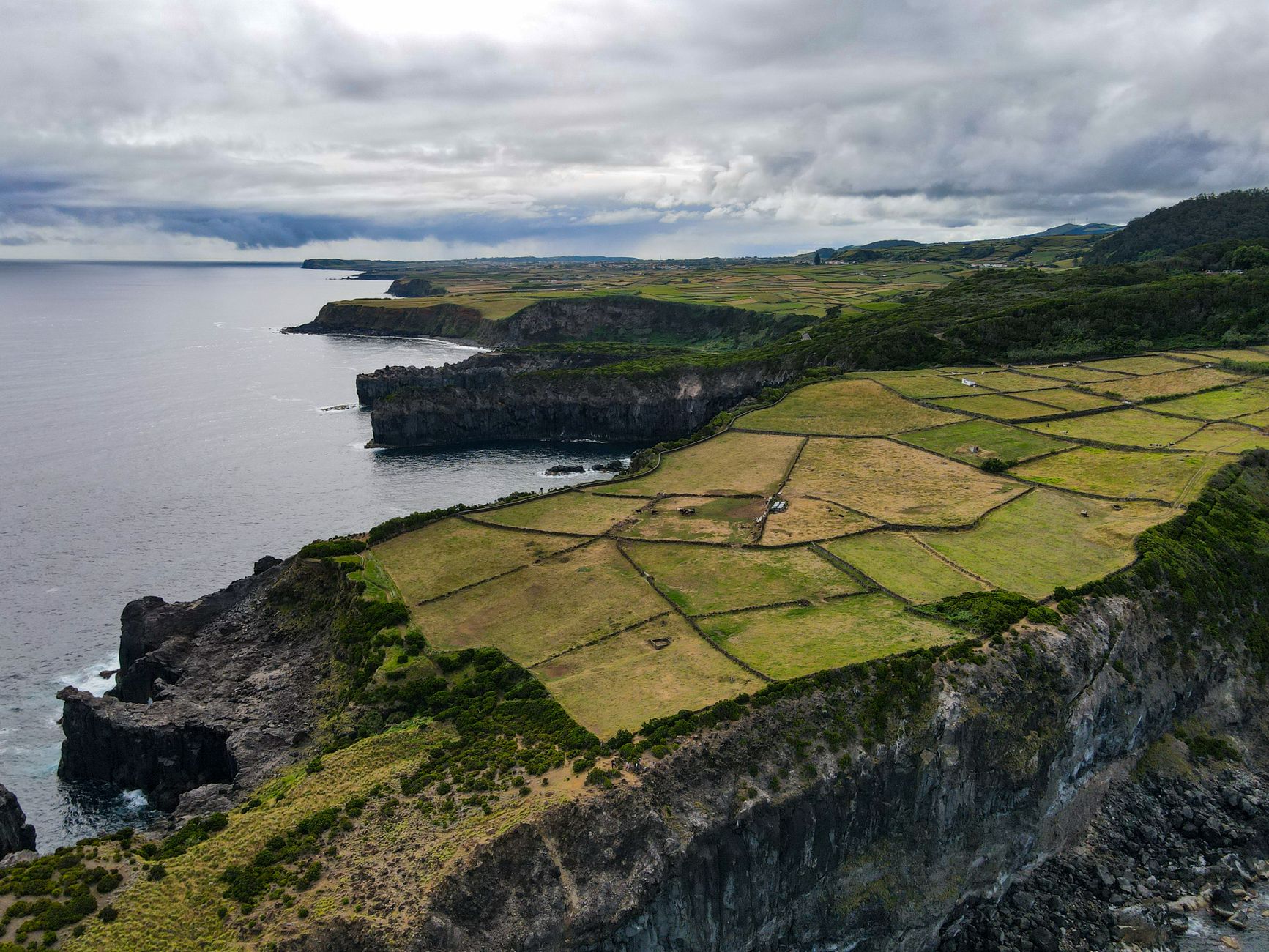
One of the Azores' most iconic sights is the hydrangea hedges lining roads and fields. They typically bloom from June to August, peaking in July. The exact timing varies by island and altitude, so don't expect a precise schedule.
Festivals are a big part of island life. The Santo Cristo festival in Ponta Delgada (São Miguel) takes place in May and is one of the largest religious celebrations. The Sanjoaninas in Angra do Heroísmo (Terceira) in June feature parades, music and bullfighting on rope. Other islands have their own local festivities, often tied to religious calendars.
Festivals bring color and energy but also crowds and higher demand for accommodation. If you plan to attend, book well in advance and expect some businesses to be closed on public holidays.
Prices, Crowds and What to Pack
High season (July–August) means higher prices for flights and accommodation, and popular trails and viewpoints can be busy. If you're on a budget or prefer quiet, consider spring or autumn. Winter offers the lowest prices but comes with more weather risk.
Packing smart is key. Bring layers, a waterproof jacket, sturdy walking shoes, and a swimsuit (even in winter, hot springs are inviting). Sunscreen is essential year-round, as the sun can be strong even on cloudy days. A reusable water bottle helps reduce plastic waste.
- Pack light, quick-dry clothing and a waterproof shell.
- Bring comfortable hiking shoes for volcanic trails.
- Include a hat, sunglasses and high-factor sunscreen.
- Carry a small daypack for spontaneous hikes.
- Don't forget a swimsuit and towel for natural pools and hot springs.
Making the Most of Your Trip
There's no single 'best' time—it depends on your priorities. For whales and hydrangeas, aim for late spring to summer. For fewer crowds and lower prices, spring and autumn are excellent. Winter suits travelers who don't mind some rain and want a quiet escape.
The Azores reward flexibility: the weather may change, but so do the vistas, and each season has its own quiet beauty.
Wherever you go, respect the environment and local customs. The islands are fragile, and responsible tourism helps preserve them. With a bit of planning, any time of year can be the right time for the Azores.
Frequently asked questions
What is the best month to see whales in the Azores?
Spring and summer (April to October) offer the greatest variety of species, but sperm whales and several dolphins are present year-round. Weather can affect trips, so plan a backup day.
When are the hydrangeas in bloom?
Typically from June to August, with a peak in July. Exact timing varies by island and altitude, so check local conditions.
Is it warm enough to swim in the Azores?
Sea temperatures range roughly from 17°C to 24°C (63–75°F) depending on the season. Summer and early autumn are best for swimming; hot springs are enjoyable year-round.
What should I pack for the Azores?
Layers, a waterproof jacket, sturdy shoes, a swimsuit, sunscreen and a hat. The weather can change quickly, so be prepared for sun and rain on the same day.
Are the Azores expensive in high season?
Yes, July and August are the busiest and most expensive months. Book flights and accommodation well in advance. Spring and autumn offer better value and fewer crowds.
Do I need to book whale watching in advance?
It's wise to book a few days ahead in high season, as trips fill up. However, weather can cause cancellations, so keep your schedule flexible.
The Azores are a year-round destination with a mild but changeable climate. Choose late spring to summer for whales and hydrangeas, or spring and autumn for fewer crowds and lower prices. Pack layers, stay flexible, and you'll enjoy these islands in any season.